Stretching a narrowing in the gullet (oesophageal dilatation)
ما تحتاج معرفته قبل الفحص وبعده
What you need to know before and after the test
PE-PROC-11الإصدار 1.0 · آخر مراجعة أكتوبر 2026 · المراجعة القادمة أكتوبر 2028Version 1.0 · Last reviewed October 2026 · Next review October 2028
إجراء يوسّع الجزء المتضيّق من المريء ليمر الطعام والشراب بسهولة أكبر. ويُجرى أثناء التنظير، إما بموسّعات مخروطية تُمرَّر على سلك دليل أو ببالون يُنفخ داخل التضيّق.
ما هو الإجراء ولماذا تحتاجه
التضيّق نسيج ندبي ضيّق المريء ببطء. وأكثر أسبابه شيوعاً ارتجاع الحمض المزمن، ومنها أيضاً التندب عند موضع الوصل بعد الجراحة، والعلاج الإشعاعي، وابتلاع المواد الكاوية، وحالة تحسسية تُسمى التهاب المريء اليوزيني. والنتيجة انحشار الطعام، ويبدأ عادةً بالأطعمة الصلبة.
والتوسيع يزيل الانحشار لكنه يعالج التضيّق لا سببه. فإذا كان الارتجاع هو السبب فستحتاج أيضاً إلى أقراص خافضة للحموضة، لمدة طويلة عادةً، وإلا عاد التضيّق ببساطة. وإذا كان السبب التهاب المريء اليوزيني فالمبدأ نفسه: التوسيع يزيل العَرَض بينما يُعالَج المرض ذاته بأقراص خافضة للحموضة أو ستيرويد يُبلع أو حمية. وتوسيع المريء اليوزيني ليس أكثر ميلاً للتمزق من غيره، لكن انزعاج الصدر بعده شائع جداً.
وجلسة واحدة لا تكفي غالباً. إذ يُوسَّع المريء قليلاً في كل مرة لتقليل خطر تمزقه، فمن الشائع أن تلزم عدة جلسات تفصل بينها أسبوع أو أسبوعان قبل أن يصير البلع مريحاً. وبعض التضيّقات تحتاج توسيعاً من حين لآخر لسنوات.
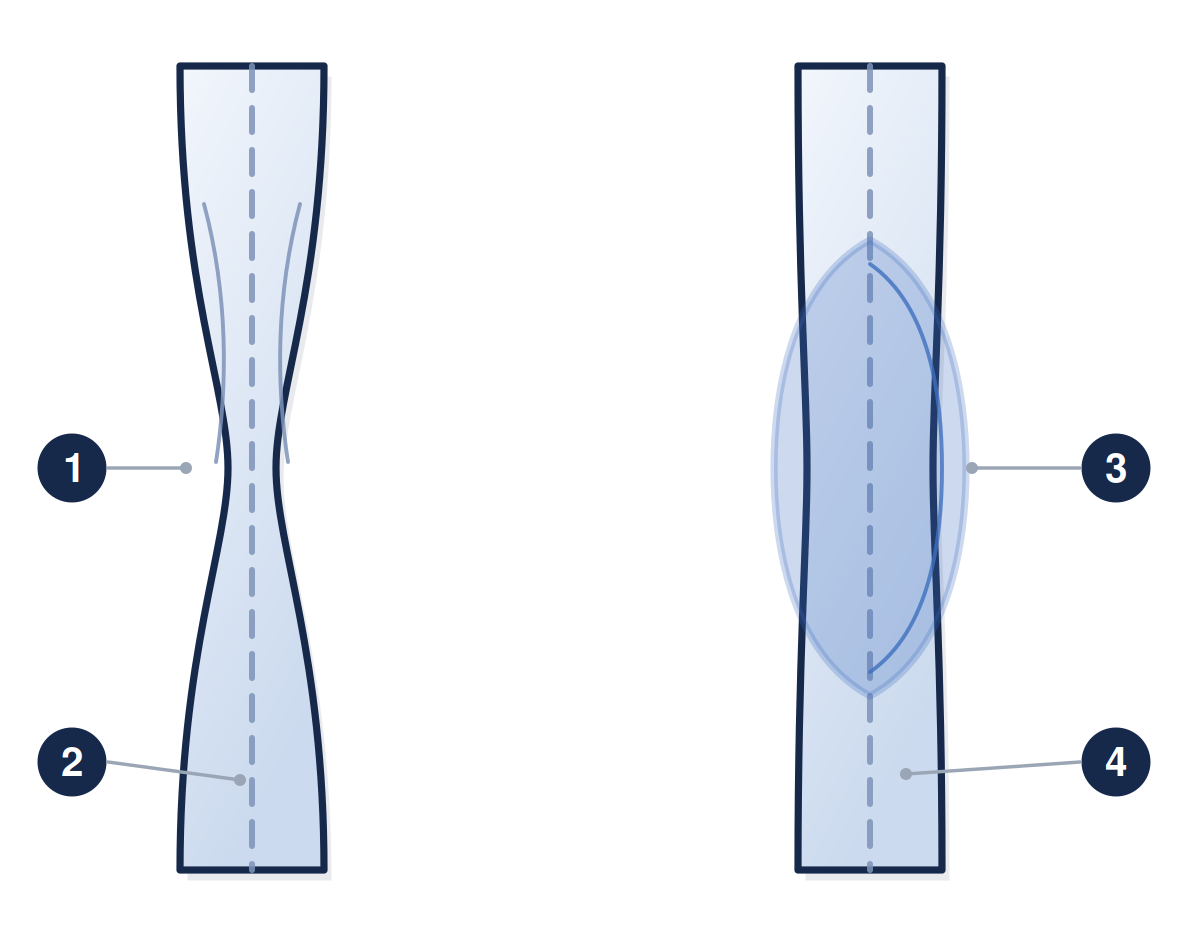
١ موضع التضيّق ٢ السلك الدليل بعد تمريره خلال التضيّق ٣ البالون منفوخاً داخل التضيّق ٤ المريء بعد اتساعه
التحضير
الامتناع عن الطعام ست ساعات قبل الإجراء، والسوائل الصافية حتى ساعتين قبله. وإذا كان الطعام يميل إلى البقاء في مريئك فقد يُطلب منك صيام أطول أو الاقتصار على السوائل في اليوم السابق، فاتبع رسالة موعدك
مميعات الدم: توسيع التضيّق إجراء أعلى خطورة للنزف، لذلك اتصل بالوحدة قبل الموعد بسبعة أيام على الأقل. انظر النشرة PE-PROC-16
إذا أخذت مهدئاً فستحتاج شخصاً بالغاً يوصلك إلى المنزل. انظر النشرة PE-PROC-17
يوم الإجراء
يُجرى الإجراء أثناء تنظير المعدة ببخاخ الحلق ومهدئ. ينظر المنظّر أولاً إلى التضيّق ويأخذ خزعات عند اللزوم، ثم يُمرَّر سلك دليل عبره وتُمرَّر عليه موسّعات متزايدة الحجم، أو يُوضع بالون عبر التضيّق ويُنفخ تدريجياً. وتُستخدم الأشعة أحياناً. أما التوسيع نفسه فلا يستغرق سوى دقائق.
وقد يُحقن ستيرويد في النسيج الندبي في الوقت نفسه، سعياً لإبطاء عودة التضيّق.
ما هي المخاطر؟
التوسيع آمن عموماً، لكن المريء أنبوب رقيق الجدار وتوسيعه يحمل خطراً حقيقياً وإن كان صغيراً للتمزق.
المضاعفة
كم مرة تحدث
انزعاج في الصدر وألم في الحلق بعده
شائع ومتوقع، ويزول خلال يوم أو يومين
الانثقاب أي تمزق جدار المريء
بين واحد من كل مئة وواحد من كل مئتين في التضيّق الحميد، وأعلى من ذلك بوضوح، نحو ستة من كل مئة، حين يكون سبب التضيّق سرطاناً. وهو سبب التوسيع التدريجي. والتمزق حالة طارئة قد تحتاج دعامة أو تصريفاً أو جراحة
النزف
غير شائع، فأقل من واحد من كل ألف يسبب نزفاً يحتاج علاجاً
دخول بكتيريا إلى مجرى الدم
يُكتشف لدى نحو واحد أو اثنين من كل عشرة لفترة قصيرة، وبنسبة أعلى إن كان التضيّق ناتجاً عن ورم. وهو غير ضار في الغالب الأعم، ولا تُعطى المضادات الحيوية بشكل روتيني
عودة التضيّق
شائعة، وهي أمر متوقع لا مضاعفة، ولهذا تُخطَّط جلسات متكررة
بعد الإجراء
ستُراقَب ساعتين على الأقل، ويجب أن تستطيع بلع الماء بارتياح قبل مغادرتك. ابدأ بالسوائل ثم الطعام اللين بقية اليوم، وعُد إلى غذائك المعتاد في اليوم التالي ما لم يُطلب منك غير ذلك.
والانزعاج الخفيف في الصدر ليوم تقريباً أمر طبيعي، أما الألم الشديد أو الذي يزداد بدل أن يهدأ فليس كذلك.
اطلب المساعدة العاجلة إذا
أصابك ألم شديد في الصدر أو الظهر أو البطن، أو ألم يزداد سوءاً
أصابك ضيق في التنفس أو ألم عند الشهيق
ارتفعت حرارتك أو تسارع نبضك
تقيأت دماً أو خرج منك براز أسود قطراني
عجزت عن بلع لعابك
قد تعني هذه الأعراض تمزق المريء. ومعظم المشاكل تظهر خلال ساعات، لكنها قد تظهر لاحقاً؛ فإذا حدثت لك في أي وقت خلال الأيام التالية فتوجّه إلى قسم الطوارئ وأخبرهم أنك خضعت لتوسيع المريء.
PE-PROC-11 · للمواعيد والاستفسارات، تواصل مع وحدة المناظير عبر الأرقام التي زوّدتك بها. وإذا كانت حالتك شديدة أو كان الوقت خارج أوقات العمل فتوجّه إلى قسم الطوارئ بدلاً من انتظار الرد. تدعم هذه النشرة مناقشتك مع طبيبك وإجراءات الموافقة المستنيرة ولا تحل محلها. الإصدار 1.0 · تاريخ المراجعة أكتوبر 2028.
هذه النشرة معلومات عامة ولا تغني عن مشورة طبيبك المعالج.
زاد صحي، PE-PROC-11
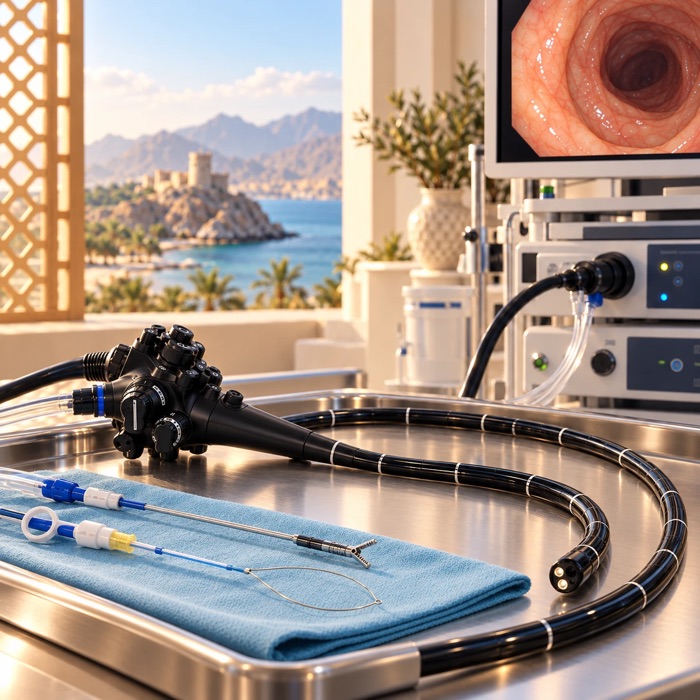
This procedure widens a narrowed part of the gullet so that food and drink pass more easily. It is done during an endoscopy, using either a tapered dilator passed over a guidewire or a balloon inflated inside the narrowing.
What it is, and why you are having it
A narrowing — a stricture — is scar tissue that has slowly tightened the gullet. The commonest cause is long-standing acid reflux. Others are scarring at the join after surgery, radiotherapy, swallowed corrosive substances, and the allergic condition eosinophilic oesophagitis. The result is food sticking, usually solids first.
Stretching relieves the sticking, but it treats the narrowing, not the cause. If reflux caused the stricture, acid-suppressing tablets are also needed, usually long-term, or the narrowing will simply come back. If the cause is eosinophilic oesophagitis, the same principle applies: the stretch relieves the symptom while the disease itself is treated with an acid-suppressing tablet, a swallowed steroid or a diet. Stretching an eosinophilic gullet is no more likely to tear it than any other stricture, but chest discomfort afterwards is very common.
A single session is often not enough. The gullet is stretched a little at a time to reduce the risk of tearing it, so several sessions a week or two apart are common before swallowing is comfortable. Some strictures need stretching again from time to time for years.
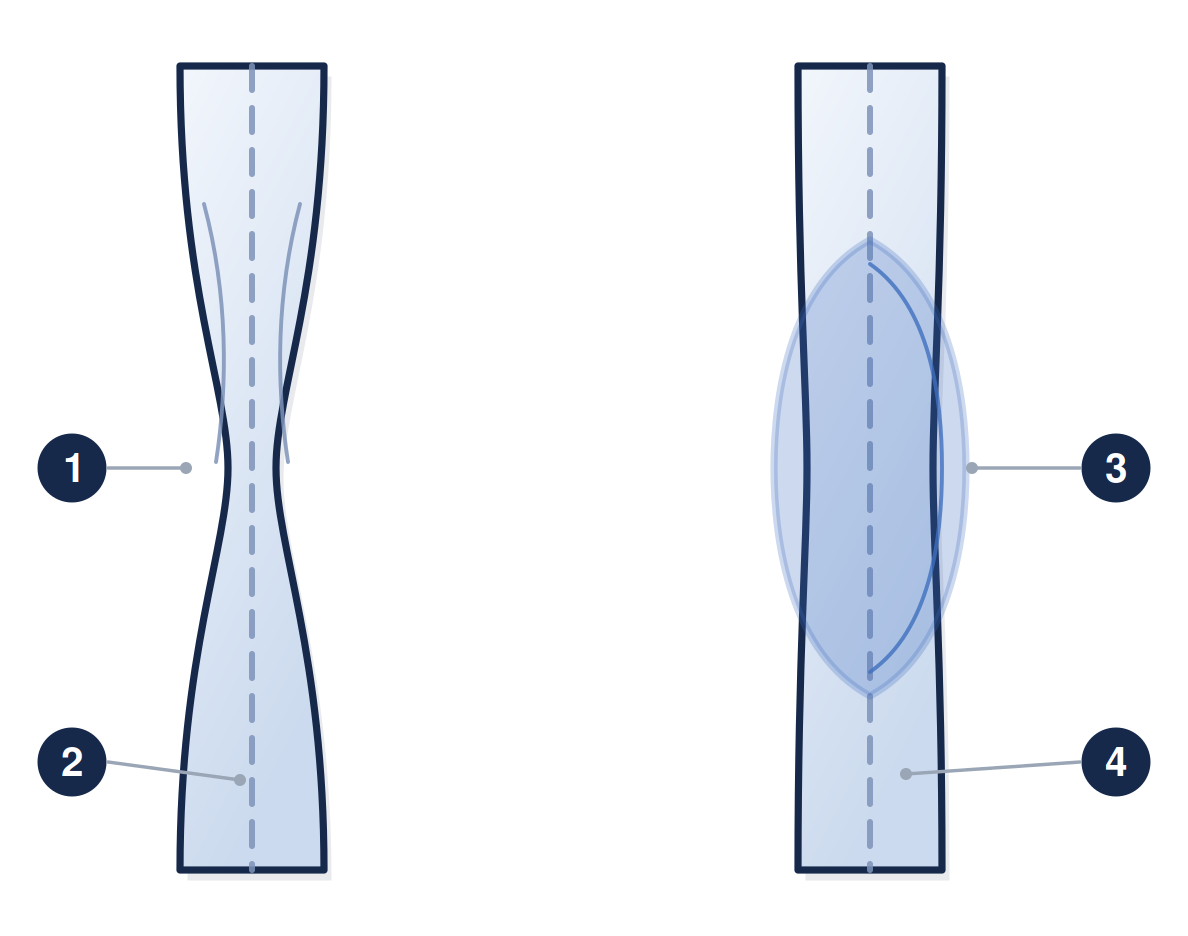
1 the narrowing · 2 the guidewire passed through it · 3 the balloon inflated across the narrowing · 4 the widened gullet
Getting ready
Nothing to eat for six hours before, and clear fluids only up to two hours before. If food tends to sit in your gullet, you may be asked to fast for longer or to take only fluids the day before — follow your appointment letter.
Blood thinners: stretching a stricture is a higher-bleeding-risk procedure, so contact the unit at least seven days before. See sheet PE-PROC-16.
If you have sedation you will need a responsible adult to take you home. See sheet PE-PROC-17.
On the day
The procedure is done during a gastroscopy, with throat spray and sedation. The endoscopist first looks at the narrowing and takes biopsies if needed. A guidewire is then passed through it and dilators of increasing size are passed over the wire, or a balloon is placed across the narrowing and gradually inflated. X-rays are sometimes used. The stretching itself takes only a few minutes.
A steroid is occasionally injected into the scar at the same time, to try to make the narrowing come back more slowly.
What are the risks?
Dilatation is generally safe, but the gullet is a thin-walled tube and stretching it carries a real, if small, risk of tearing.
Complication
How often it happens
Chest discomfort and a sore throat afterwards
Common and expected. Settles within a day or two.
Perforation — a tear in the wall of the gullet
Between about 1 in 100 and 1 in 200 for a benign narrowing, and appreciably higher — around 6 in every 100 — when the narrowing is caused by a cancer. It is the reason for stretching gradually. A tear is a medical emergency and may need a stent, a drain or surgery.
Bleeding
Uncommon — fewer than 1 in 1,000 cause bleeding that needs treatment.
Bacteria entering the bloodstream
Detectable in roughly 1 or 2 in every 10 people for a short time — and in more than that when the narrowing is caused by a cancer. It is almost always harmless, and antibiotics are not routinely given.
The narrowing coming back
Common. This is expected rather than a complication, and is the reason repeat sessions are planned.
Afterwards
You will be watched for at least two hours and must be able to swallow water comfortably before you go home. Start with fluids, then soft food for the rest of the day, and return to a normal diet the next day unless you are told otherwise.
Mild chest discomfort for a day or so is normal. Pain that is severe, or that keeps getting worse rather than settling, is not.
Get urgent help if
You have severe chest pain, back pain or abdominal pain, or pain that is getting worse.
You are breathless, or it hurts to breathe.
You have a fever or a racing heartbeat.
You vomit blood, or pass black tarry stools.
You cannot swallow your own saliva.
These may mean the gullet has torn. Most problems appear within a few hours, but they can appear later — if you get these symptoms at any point in the days afterwards, go to the Emergency Department and say you have had the gullet stretched.
PE-PROC-11 · For appointments and questions, contact the endoscopy unit using the numbers it has given you. If you are seriously unwell, or it is outside working hours, go to the Emergency Department rather than waiting for a reply. This sheet supports the discussion with your doctor and the consent process; it does not replace them. Version 1.0 · review date October 2028.
This leaflet is general information and does not replace advice from your own doctor.