PE-PROC-16الإصدار 1.0 · آخر مراجعة أكتوبر 2026 · المراجعة القادمة أكتوبر 2028Version 1.0 · Last reviewed October 2026 · Next review October 2028
إذا كنت تتناول دواءً يميّع الدم أو يمنع تلاصق الصفيحات فنحن بحاجة إلى التخطيط لفحصك معك. فبعض هذه الأدوية يُستمر عليه، وبعضها يُوقف عدداً محدداً من الأيام، وبعضها لا يجوز إيقافه إطلاقاً دون موافقة طبيب القلب. يُرجى الاتصال بوحدة المناظير قبل موعدك بسبعة أيام على الأقل.
أهم ما في هذه النشرة
لا توقف مميع الدم من تلقاء نفسك. أوقفه فقط إذا أخبرك فريق المناظير بذلك، وللعدد المحدد من الأيام المكتوب لك. فإيقافه دون توجيه أخطر من خطر النزف الناتج عن الفحص: إذ يمكن إيقاف النزف بعد التنظير في الغالب الأعم في حينه، بينما قد تخلّف الجلطة الدماغية إعاقة دائمة وقد تكون النوبة القلبية قاتلة.
الأمر يعتمد على نوع الفحص
تُصنَّف الفحوص حسب احتمال تسببها بالنزف. فالفحوص الأقل خطورة تشمل تنظير المعدة أو القولون مع أخذ خزعات، والتصوير بالموجات فوق الصوتية عبر المنظار دون إبرة، ووضع دعامة في المريء أو الأمعاء أو القناة الصفراوية. أما الفحوص الأعلى خطورة فتشمل استئصال السليلة، وتنظير القنوات الصفراوية مع قطع فتحة القناة، والتصوير بالموجات فوق الصوتية مع الإبرة، وتركيب أنبوب التغذية، وتوسيع التضيّق، وربط الدوالي. والفحوص الأعلى خطورة هي التي قد تستدعي إيقاف دواء.
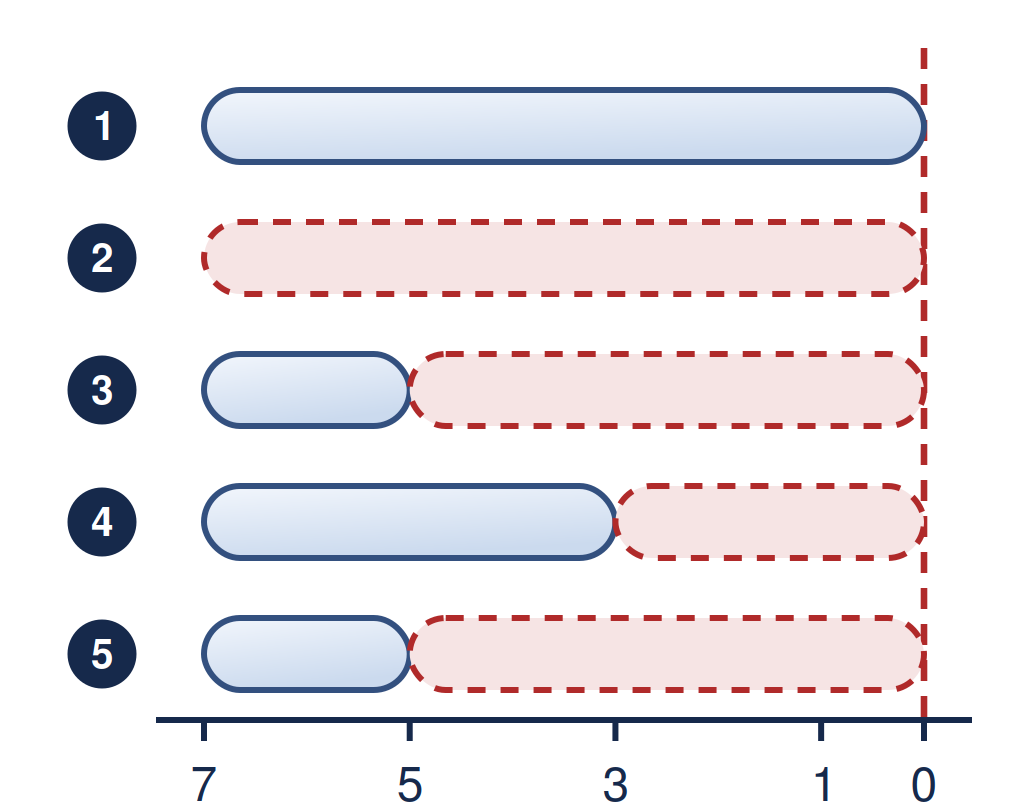
الأيام قبل الفحص الأعلى خطورة. الخط المتصل يعني الاستمرار على الدواء، والمتقطع يعني أيام إيقافه. ١ الأسبرين ويُستمر عليه عادةً ٢ كلوبيدوغريل أو براسوغريل أو تيكاغريلور، 7 أيام ٣ الوارفارين، 5 أيام ٤ أبيكسابان أو ريفاروكسابان أو إيدوكسابان، 3 أيام ٥ دابيغاتران، 5 أيام إذا كانت وظائف الكلى منخفضة
ما يحدث عادةً لكل دواء
الدواء
ما يحدث عادةً
الأسبرين
يُستمر عليه في الفحوص الأقل والأعلى خطورة معاً. ولا يكاد يُوقف الأسبرين للتنظير أبداً
كلوبيدوغريل أو براسوغريل أو تيكاغريلور
يُستمر عليه في الفحص الأقل خطورة. أما في الفحص الأعلى خطورة فيُوقف عادةً قبل 7 أيام، غير أن ذلك لا ينطبق إن كانت لديك دعامة قلبية حديثة، فاقرأ القسم أدناه قبل إيقاف أي شيء
الأسبرين مع أحد ما سبق معاً
يُستمر على الأسبرين. ولا يجوز إيقافهما معاً أبداً
الوارفارين
يُستمر عليه في الفحص الأقل خطورة مع فحص INR في الأسبوع السابق للتأكد من عدم تجاوزه مداك. أما في الفحص الأعلى خطورة فيُوقف عادةً قبل 5 أيام مع فحص INR يوم الفحص
أبيكسابان أو ريفاروكسابان أو إيدوكسابان
في الفحص الأقل خطورة تُترك جرعة الصباح. وفي الفحص الأعلى خطورة تكون آخر جرعة قبل 3 أيام
دابيغاتران
في الفحص الأقل خطورة تُترك جرعة الصباح. أما في الفحص الأعلى خطورة فآخر جرعة قبل 3 أيام، أو قبل 5 أيام إذا كانت وظائف كليتيك منخفضة، أي معدل ترشيح أو تصفية كرياتينين بين 30 و50. ونحتاج تحليل كلى حديثاً لتحديد ذلك
حقن الهيبارين
تُستخدم لدى بعض المرضى لتغطية فترة إيقاف الوارفارين. وستُعطى خطة مكتوبة منفصلة إن انطبق ذلك عليك
إذا كانت لديك دعامة قلبية فاقرأ هذا
إذا وُضعت دعامة مغلفة بالدواء في شريان تاجي خلال الاثني عشر شهراً الماضية، أو دعامة معدنية عارية خلال الشهر الماضي، فإن إيقاف دواء الصفيحات يحمل خطراً جسيماً بانسداد الدعامة. وفي هذه الحالة ليس القرار لنا وحدنا، بل يجب مناقشته مع استشاري قسطرة القلب المسؤول عن رعايتك. أخبر وحدة المناظير عن دعامتك وتاريخ وضعها فور حجز موعد التنظير ليتسع الوقت لترتيب ذلك.
بعد الفحص
يُعاد عادةً أي دواء أُوقف خلال يومين إلى ثلاثة، والوارفارين في المساء نفسه غالباً. وسيُحدد لك الموعد بدقة. فلا تعاود تناوله قبل الموعد المحدد ولا تؤخره عنه.
وقد يظهر النزف بعد الإجراءات الأعلى خطورة متأخراً، وأكثر ما يكون في الأسبوع الأول أو الثاني وتكون قد عدت إلى دوائك حينها، وقد يتأخر أحياناً إلى شهر. فاتصل بوحدة المناظير عاجلاً إذا تقيأت دماً أو خرج منك براز أسود قطراني أو دم أحمر أو شعرت بدوار أو إغماء، في أي وقت خلال الشهر التالي للفحص.
وأمران عمليان: أحضر بطاقة مميع الدم الخاصة بك، أو قائمة كاملة بأدويتك وجرعاتها، إلى كل موعد. وإذا تأجل فحصك أو أُلغي أو نُقل بعد أن أوقفت الدواء فعلاً فاتصل بوحدة المناظير، ولا تبقَ ببساطة دون الدواء حتى الموعد الجديد.
خطتك أنت
خطتك خاصة بك ويجب أن تكون مكتوبة. اطلب منا استكمال هذا قبل مغادرتك: اسم الدواء ____________________ · آخر جرعة تُؤخذ في ____________________ · أول جرعة بعد الفحص في ____________________ · الاستفسارات إلى ____________________
للمواعيد والاستفسارات، تواصل مع وحدة المناظير عبر الأرقام التي زوّدتك بها. وإذا كانت حالتك شديدة أو كان الوقت خارج أوقات العمل فتوجّه إلى قسم الطوارئ بدلاً من انتظار الرد. الإصدار 1.0 · تاريخ المراجعة أكتوبر 2028.
هذه النشرة معلومات عامة ولا تغني عن مشورة طبيبك المعالج.
زاد صحي، PE-PROC-16
If you take a medicine that thins the blood or stops platelets sticking, we need to plan your test with you. Some of these medicines are continued, some are paused for a set number of days, and some must not be stopped at all without a cardiologist’s agreement. Please contact the Endoscopy Unit at least seven days before your appointment.
The most important thing on this sheet
Do not stop a blood-thinning medicine yourself. Stop it only if the endoscopy team has told you to, and only for exactly the number of days written down for you. Stopping it when you have not been told to is more dangerous than the bleeding risk of the test: bleeding after an endoscopy can nearly always be stopped there and then, whereas a stroke can leave lifelong disability and a heart attack can be fatal.
It depends on which test you are having
Tests are grouped by how likely they are to cause bleeding. Lower-risk tests include a gastroscopy or colonoscopy with biopsies, an endoscopic ultrasound without a needle, and putting a stent into the gullet, bowel or bile duct. Higher-risk tests include removing a polyp, ERCP with a cut at the duct opening, endoscopic ultrasound with a needle, placing a feeding tube, stretching a narrowing, and banding varices. Higher-risk tests are the ones that may need a medicine paused.
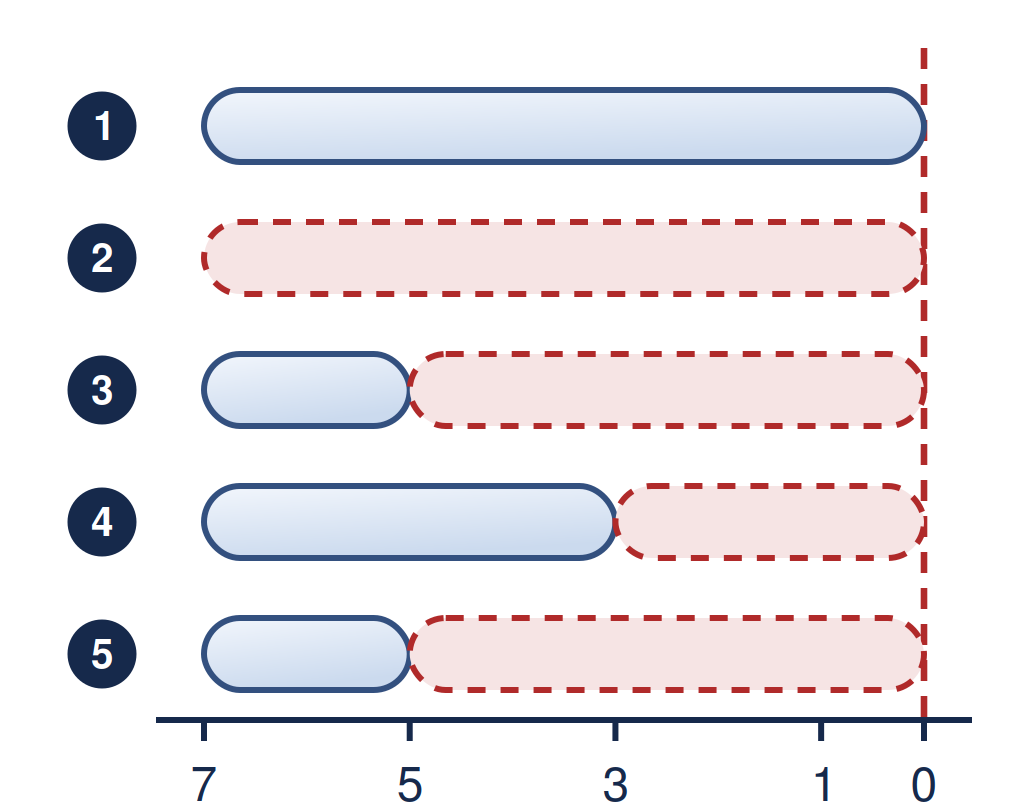
Days before a higher-risk test. Solid = keep taking it; dotted = the days it is paused. 1 aspirin, usually continued 2 clopidogrel, prasugrel or ticagrelor, 7 days 3 warfarin, 5 days 4 apixaban, rivaroxaban or edoxaban, 3 days 5 dabigatran, 5 days if kidney function is reduced
What usually happens to each medicine
Medicine
What usually happens
Aspirin
Continue it, for both lower- and higher-risk tests. Aspirin is almost never stopped for endoscopy.
Clopidogrel, prasugrel, ticagrelor
Continued for a lower-risk test. For a higher-risk test it is usually stopped 7 days before — but this does not apply if you have a recent heart stent. Read the section below before stopping anything.
Both aspirin and one of the above together
The aspirin is continued. Never stop both.
Warfarin
Continued for a lower-risk test, with an INR checked in the week before to make sure it is not above your range. For a higher-risk test it is usually stopped 5 days before, with an INR checked on the day.
Apixaban, rivaroxaban, edoxaban
For a lower-risk test, the morning dose is omitted. For a higher-risk test, the last dose is 3 days before.
Dabigatran
For a lower-risk test, the morning dose is omitted. For a higher-risk test the last dose is 3 days before, or 5 days before if your kidney function is reduced — an eGFR or creatinine clearance between 30 and 50. We need a recent kidney blood test to set this.
Heparin injections
Used in some people to cover the gap while warfarin is stopped. You will be given a separate written plan if this applies to you.
If you have a heart stent, read this
If a drug-eluting stent was put into a coronary artery within the last 12 months, or a bare metal stent within the last month, stopping your antiplatelet medicine carries a serious risk of the stent blocking. In that situation the decision is not ours alone to make: it must be discussed with the consultant interventional cardiologist responsible for your care. Tell the endoscopy unit about your stent and when it was placed as soon as your endoscopy is booked, so there is time to arrange this.
Afterwards
Any medicine that was paused is normally restarted within two to three days, and warfarin usually the same evening. You will be told exactly when. Do not restart earlier than instructed, and do not delay longer either.
Bleeding after a higher-risk procedure can appear late — most often in the first week or two, by which time you will be back on your medicine, but occasionally as late as a month. Contact the endoscopy unit urgently if you vomit blood, pass black tarry stools or fresh blood, or feel faint or dizzy, at any point in the month after your test.
Two practical things. Bring your anticoagulant alert card, or a full list of your medicines with the doses, to every appointment. And if your test is delayed, cancelled or moved after you have already stopped a medicine, telephone the endoscopy unit — do not simply stay off it until the new date.
Your own plan
Your plan is personal to you and must be written down. Ask the endoscopy unit to complete this before you leave: name of medicine ____________________ · last dose to be taken on ____________________ · first dose after the test on ____________________ · questions to ____________________
For appointments and questions, contact the endoscopy unit using the numbers it has given you. If you are seriously unwell, or it is outside working hours, go to the Emergency Department rather than waiting for a reply. Version 1.0 · review date October 2028.
This leaflet is general information and does not replace advice from your own doctor.