Oesophageal manometry — measuring the swallowing muscles
ما تحتاج معرفته قبل الفحص وبعده
What you need to know before and after the test
PE-PROC-13الإصدار 1.0 · آخر مراجعة أكتوبر 2026 · المراجعة القادمة أكتوبر 2028Version 1.0 · Last reviewed October 2026 · Next review October 2028
فحص يقيس الضغط داخل المريء وفي الصمامين عند طرفيه، لمعرفة ما إذا كانت عضلات البلع تعمل وتتناسق بصورة سليمة. وهو فحص قصير لا يحتاج تخديراً ويتحمله جميع المرضى تقريباً.
ما هو الإجراء ولماذا تحتاجه
البلع موجة منسّقة من انقباض العضلات تنقل الطعام من الحلق إلى المعدة، مع صمام في الأسفل يجب أن يرتخي في اللحظة المناسبة ليمر الطعام. والتنظير بالكاميرا يبيّن شكل المريء لا حركته، أما قياس الضغط فيقيس الحركة.
ويُجرى لصعوبة البلع التي لم يفسرها التنظير، ولألم الصدر غير المبرر بعد فحص القلب، وعند الاشتباه بالأكالازيا قبل التخطيط لأي علاج لها. وهو مطلوب كذلك قبل جراحة مضادة للارتجاع، للتأكد من صحة التشخيص ومن أن انقباض المريء كافٍ لتحمل العملية.
وقياس الضغط لا يشخّص ارتجاع الحمض. وإذا كنت تحتاج أيضاً إلى قياس الحموضة لمدة 24 ساعة فيُجرى قياس الضغط أولاً عادةً، لأنه يحدد بدقة موضع وضع مجس الحموضة.
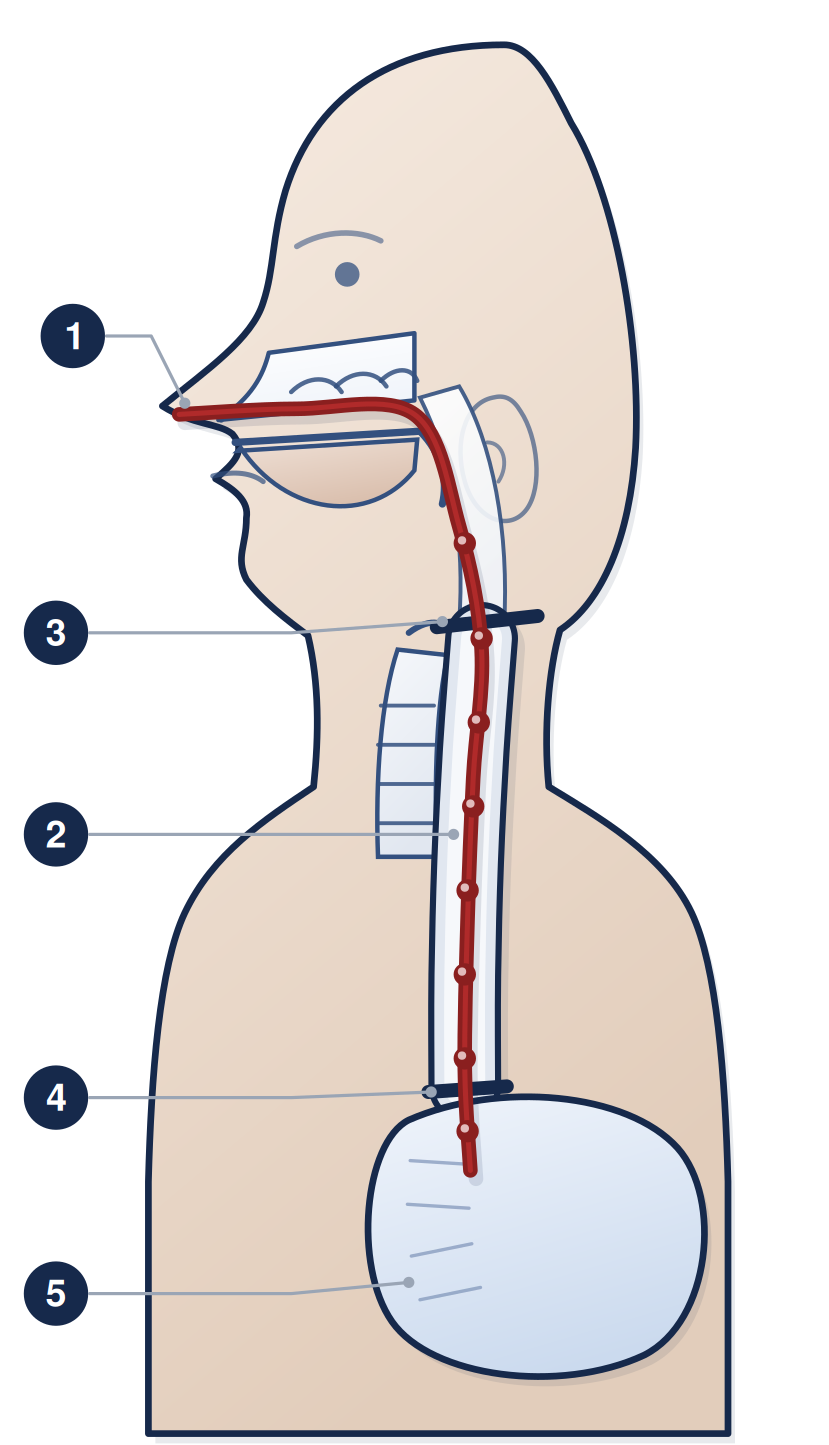
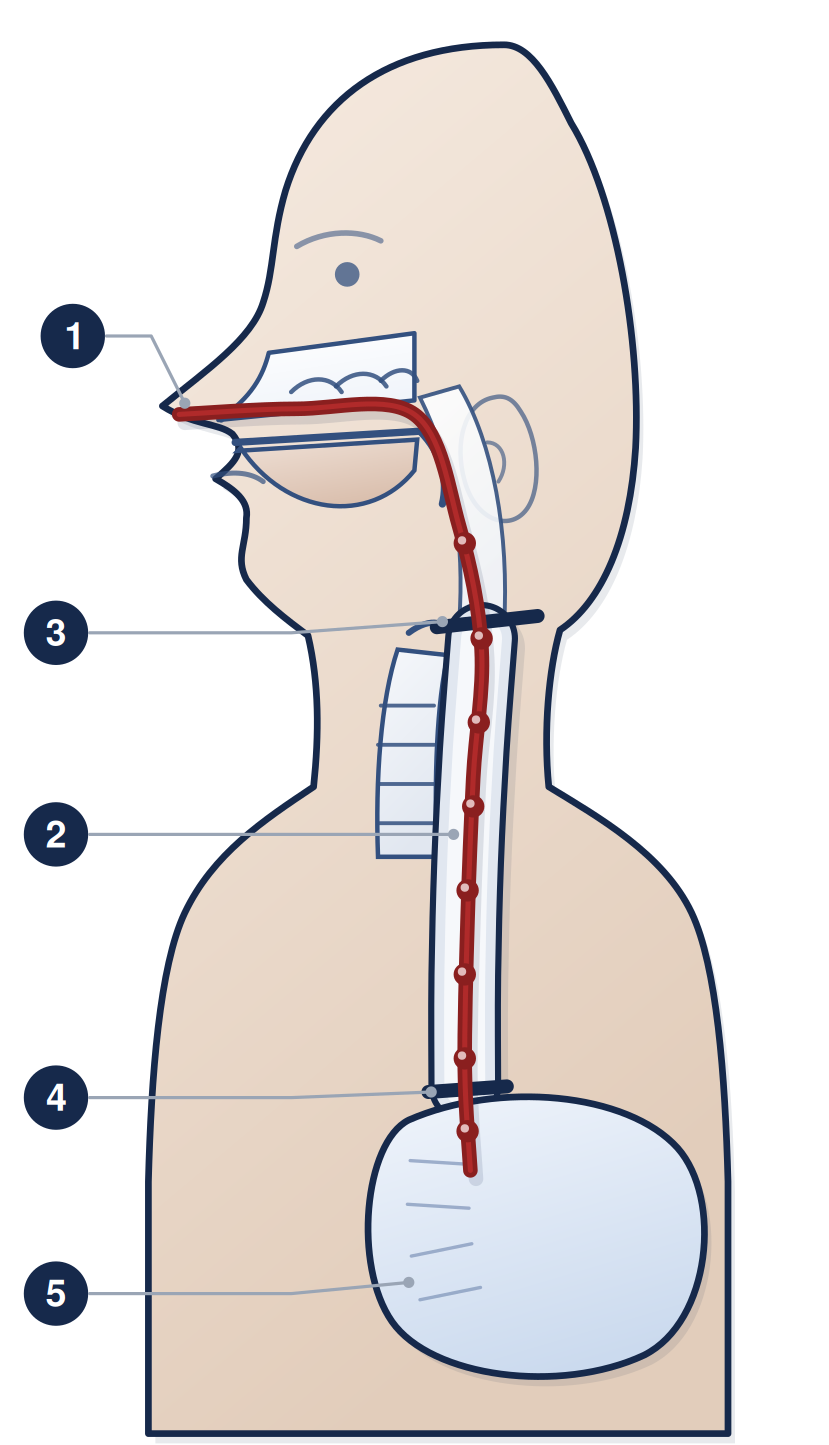
١ أنبوب رفيع يُمرَّر عبر الأنف إلى المريء ٢ مجسّات قياس الضغط الموزّعة على طول الأنبوب ٣ الصمام العلوي للمريء ٤ الصمام السفلي للمريء ٥ المعدة
التحضير
الامتناع عن الطعام من منتصف الليلة السابقة، ويمكنك أخذ رشفات صغيرة من الماء حتى ساعتين قبل الفحص
الأدوية التي تغيّر حركة المريء يجب إيقافها 48 ساعة قبل الفحص إن كان إيقافها آمناً لك: النترات، وحاصرات قنوات الكالسيوم مثل نيفيديبين وأملوديبين وديلتيازيم، والمسكنات الأفيونية، والأدوية المضادة للكولين، ومحفزات الحركة مثل ميتوكلوبراميد ودومبيريدون. ولا توقف دواء قلب أو ضغط من تلقاء نفسك، بل اتصل بوحدة المناظير أو بالطبيب الذي وصفه ليخبروك بما تفعل
تناول أدويتك المنتظمة الأخرى كالمعتاد. وإن كنت تستعمل الأنسولين أو أقراص السكري فاتصل بوحدة المناظير قبل الموعد ليُعدَّل الدواء حول فترة الصيام
لا تحتاج إلى إيقاف أقراص خفض الحموضة لقياس الضغط وحده، لكنك تحتاج إلى إيقافها لفحص الحموضة، فانظر النشرة PE-PROC-14، وإذا كان الفحصان مخططين فاتبع تعليمات فحص الحموضة
أخبر وحدة المناظير إن كانت لديك جراحة سابقة في الأنف أو الحلق، أو انسداد أنفي واضح، أو دوالٍ في المريء
يوم الإجراء
لا يُستخدم أي تخدير ولا حاجة إليه. يُمرَّر أنبوب مرن رفيع جداً عبر إحدى فتحتي الأنف إلى المريء. وإدخال الأنبوب هو الجزء المزعج، ويستغرق وقتاً قصيراً، ويجده معظم المرضى أسهل مما توقعوا. وسيُطلب منك ارتشاف الماء والبلع أثناء نزوله.
وبعد استقرار الأنبوب تستلقي. وسيُطلب منك بلع كمية صغيرة محددة من الماء نحو عشر مرات، مع فاصل بين كل بلعة وأخرى بينما يسجّل الجهاز. ثم يُطلب منك عادةً الجلوس وتكرار بعض البلعات، وأخذ عدة رشفات متتابعة سريعة، وشرب كوب ماء دفعة واحدة، وكل واحد من هذه يختبر المريء بطريقة مختلفة. ويستغرق التسجيل نحو عشر إلى خمس عشرة دقيقة إجمالاً، ثم يُسحب الأنبوب في لحظة.
ما هي المخاطر؟
لا توجد مخاطر تُذكر. وقد يجد بعض المرضى إدخال الأنبوب عبر الأنف مزعجاً، وقد يتهوّع بعضهم لحظة، لكن ذلك بسيط وقصير. وقد يحدث رعاف بسيط أو ألم في الحلق بعده ويزول من تلقاء نفسه.
بعد الإجراء
يمكنك العودة إلى حياتك الطبيعية فوراً: الأكل والشرب والقيادة والعمل، ولا شيء عليك تجنبه.
ويحتاج التسجيل إلى تحليل قبل أن يكون له معنى، لذلك لا تُعطى النتيجة في اليوم نفسه، بل تُرسل إلى الطبيب الذي طلب الفحص وتُناقش في موعد العيادة.
اطلب المساعدة العاجلة إذا
استمر رعافك ولم يتوقف بالضغط على الأنف عشر دقائق
أصابك ألم في الصدر أو صعوبة في التنفس أو عجزت عن البلع بعد الفحص
هذه أمور نادرة جداً بعد قياس الضغط. وإن حدثت فاتصل بالمختبر خلال أوقات العمل أو توجّه إلى قسم الطوارئ.
PE-PROC-13 · للمواعيد وأي استفسار عن هذا الفحص، تواصل مع المختبر الذي حجز لك الموعد. وإذا كانت حالتك شديدة أو كان الوقت خارج أوقات العمل فتوجّه إلى قسم الطوارئ. تدعم هذه النشرة مناقشتك مع طبيبك ولا تحل محلها. الإصدار 1.0 · تاريخ المراجعة أكتوبر 2028.
هذه النشرة معلومات عامة ولا تغني عن مشورة طبيبك المعالج.
زاد صحي، PE-PROC-13
This test measures the pressure inside the gullet and in the valves at each end of it, to see whether the swallowing muscles are working and coordinating properly. It is a short test, it needs no sedation, and almost everyone tolerates it.
What it is, and why you are having it
Swallowing is a coordinated wave of muscle squeeze that carries food from the throat to the stomach, with a valve at the bottom that must relax at the right moment to let food through. A camera test shows what the gullet looks like, but not how it moves. Manometry measures the movement.
It is done for difficulty swallowing that has not been explained by endoscopy, for unexplained chest pain once the heart has been checked, and when achalasia is suspected — before any treatment for it is planned. It is also required before anti-reflux surgery, to make sure the diagnosis is right and the gullet squeezes well enough to cope with the operation.
Manometry does not diagnose acid reflux. If you also need a 24-hour acid measurement, the manometry is normally done first, because it shows exactly where to place the acid sensor.
1 the fine tube passed through the nose · 2 the pressure sensors along it · 3 the upper valve · 4 the lower valve · 5 stomach
Getting ready
Have nothing to eat from midnight the night before. You may take small sips of water until two hours before the test.
Medicines that change how the gullet moves must be stopped 48 hours before, if it is safe for you to stop them: nitrates, calcium-channel blockers such as nifedipine, amlodipine or diltiazem, opioid painkillers, anticholinergic medicines, and prokinetics such as metoclopramide or domperidone. Do not stop a heart or blood-pressure medicine on your own — telephone the endoscopy unit, or the doctor who prescribed it, for advice on what to do.
Take your other regular medicines as usual. If you take insulin or tablets for diabetes, telephone the endoscopy unit before the appointment so the dose can be adjusted around the fast.
You do not need to stop acid-reducing tablets for manometry alone. You do need to stop them for a pH study — see sheet PE-PROC-14 — so if both tests are planned, follow the instructions for the pH study.
Tell the endoscopy unit if you have had nose or throat surgery, if you have significant nasal blockage, or if you have varices in the gullet.
On the day
No sedation is used, and no sedation is needed. A very thin flexible tube is passed through one nostril and down into the gullet. Passing the tube is the uncomfortable part; it takes a short time and most people find it easier than they expected. You will be asked to sip water and swallow as it goes down.
Once the tube is in place you lie down. You will be asked to swallow a small measured amount of water about ten times, with a pause between each swallow while the machine records. You are then usually asked to sit up and repeat some of the swallows, to take several sips in quick succession, and to drink a glass of water straight down — each of these tests the gullet in a different way. The recording takes about ten to fifteen minutes in all. The tube is then removed, which takes a second.
What are the risks?
There are essentially no risks. Some people find the tube passing through the nose uncomfortable, and some gag briefly, but this is mild and short-lived. A little nosebleed or a sore throat afterwards is possible and settles on its own.
Afterwards
You can go back to normal life immediately — eat, drink, drive and return to work. There is nothing to avoid.
The recording has to be analysed before it means anything, so the result is not given on the day. It goes to the doctor who requested the test and is discussed at your clinic appointment.
Get urgent help if
You have a persistent nosebleed that does not stop with pinching your nose for ten minutes.
You have chest pain, difficulty breathing, or you cannot swallow afterwards.
These are very unusual after manometry. If they happen, contact the laboratory during working hours or go to the Emergency Department.
PE-PROC-13 · For appointments and questions about this test, contact the laboratory that booked it. If you are seriously unwell, or it is outside working hours, go to the Emergency Department. This sheet supports the discussion with your doctor; it does not replace it. Version 1.0 · review date October 2028.
This leaflet is general information and does not replace advice from your own doctor.