Balloon stretching for achalasia (pneumatic dilatation)
ما تحتاج معرفته قبل الفحص وبعده
What you need to know before and after the test
PE-PROC-12الإصدار 1.0 · آخر مراجعة أكتوبر 2026 · المراجعة القادمة أكتوبر 2028Version 1.0 · Last reviewed October 2026 · Next review October 2028
الأكالازيا حالة يعجز فيها الصمام العضلي في أسفل المريء عن الارتخاء، فيتجمع الطعام والشراب فوقه. ويستخدم التوسيع الهوائي بالوناً كبيراً لتوسيع ذلك الصمام. توضح هذه النشرة العلاج ومقارنته بالبدائل.
ما هو الإجراء ولماذا تحتاجه
في الأكالازيا تُفقد الأعصاب التي تأمر الصمام السفلي بالانفتاح، ولا تعود عضلة جسم المريء تدفع الطعام إلى أسفل. فيستقر الطعام والسائل فوق الصمام مسبباً صعوبة البلع، وارتجاع طعام غير مهضوم، وألماً في الصدر، ونقص وزن. ولا يمكن إعادة الأعصاب، لذلك تعمل كل العلاجات بإضعاف الصمام بما يكفي ليمر الطعام بالجاذبية.
وهناك ثلاث طرق معتمدة لذلك، ورابعة لمن لا يصلح لأي منها وهي حقن ذيفان البوتولينوم في الصمام، وهي بسيطة وآمنة لكن مفعولها يزول خلال أشهر ولذلك تُحفظ عادةً لتلك الحالة. والطرق الثلاث هي: توسيع الصمام بالبالون، وقطع العضلة بجراحة المنظار البطني (عملية هيلر)، وقطعها من الداخل عبر المنظار (POEM). وكلها فعالة. فالتوسيع بالبالون يتجنب العملية ويمكن تكراره، لكنه الأقل دواماً من جلسة واحدة، إذ أبقى POEM في تجربة مدتها خمس سنوات نحو ضعف العدد بلا أعراض ودون علاج إضافي. غير أن الموازنة تنعكس في الحرقة، فهي أكثر بكثير بعد POEM. ولا يوجد خيار أفضل مطلقاً، فالأمر يعتمد على عمرك ونوع الأكالازيا لديك وصحتك العامة وتفضيلك. اطلب منا استعراض الخيارات معك.
ويُجرى التوسيع على مراحل. فالجلسة الأولى ببالون 30 ملم، وإذا لم يتحسن البلع بما يكفي يُستخدم بالون 35 ملم بعد أسبوعين إلى أربعة، وأحياناً بالون 40 ملم بعد ذلك. والبدء بالحجم الأصغر مقصود: فخطر تمزق المريء أعلى بنحو ثلاث مرات إذا استُخدم بالون 35 ملم أولاً.
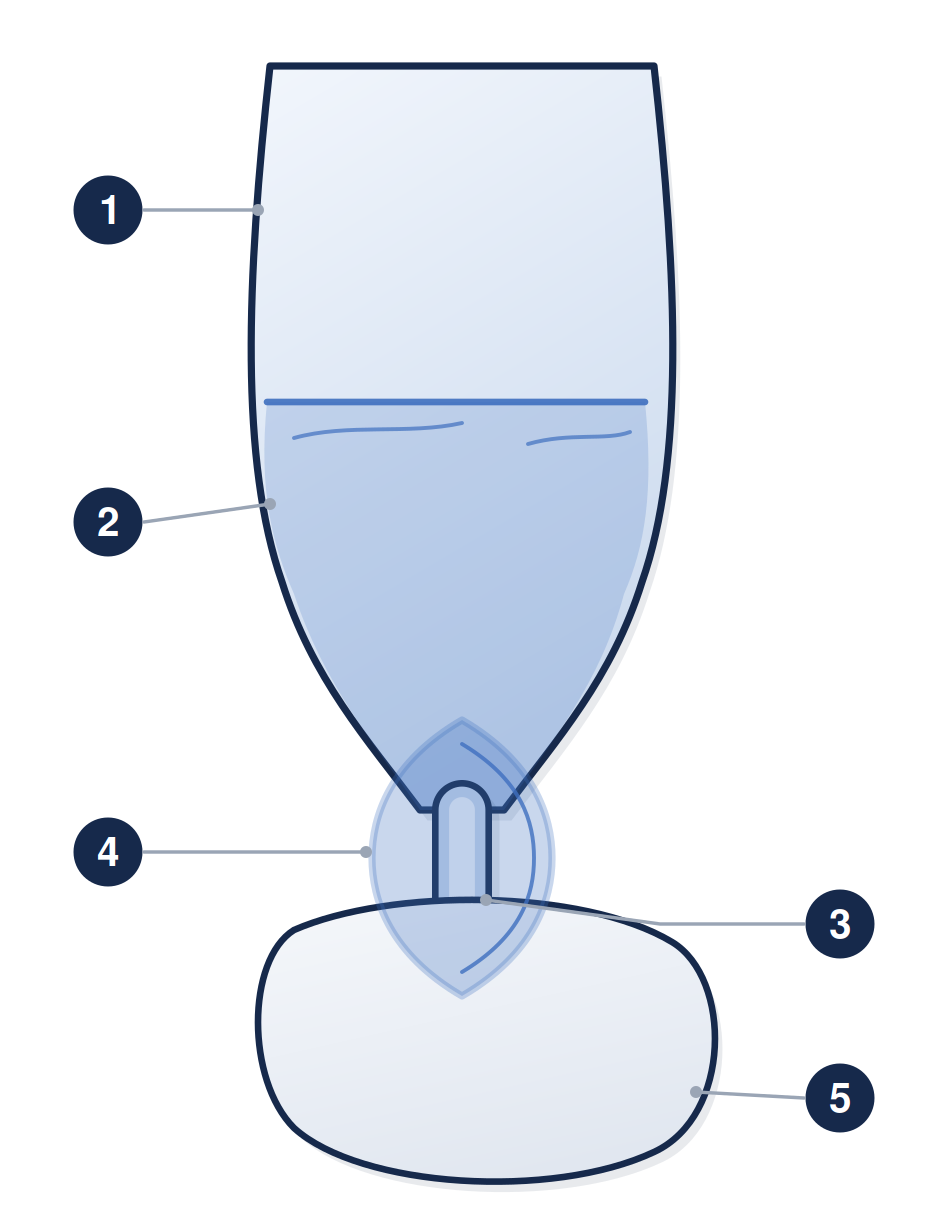
١ المريء المتوسع فوق الصمام ٢ الطعام والسائل المحتبسان فوقه ٣ الصمام السفلي الضيّق الذي لا ينفتح ٤ البالون منفوخاً عبر الصمام ٥ المعدة
التحضير
لأن الأكالازيا تجعل الطعام والسائل يستقران في المريء فيجب أن تصوم مدة أطول من التنظير المعتاد. اتبع التعليمات المحددة في رسالة موعدك، فقد يُطلب منك الاقتصار على السوائل الصافية في اليوم السابق
مميعات الدم: هذا إجراء أعلى خطورة للنزف، لذلك اتصل بالوحدة قبل الموعد بسبعة أيام على الأقل. انظر النشرة PE-PROC-16
ستحتاج شخصاً بالغاً يوصلك إلى المنزل. انظر النشرة PE-PROC-17
ويجب أن تكون لائقاً للجراحة في ذلك اليوم، لأن تمزق المريء قد يحتاج أحياناً عملية لإصلاحه
يوم الإجراء
يُجرى الإجراء بمهدئ، وغالباً بتوجيه الأشعة. يُدخل المنظار ويُزال أي طعام متبقٍ، ثم يُوضع البالون عبر الصمام ويُنفخ إلى ضغط محدد لمدة قصيرة، ثم يُفرَّغ ويُسحب، وينظر المنظّر إلى الصمام بعدها.
وستبقى تحت الملاحظة أربع ساعات على الأقل. ولم تعد صورة الأشعة بالصبغة تُجرى روتينياً لكل المرضى، لكنها ستُرتَّب فوراً إن ظهر عليك أي عَرَض يوحي بالتمزق.
ما هي المخاطر؟
المضاعفة
كم مرة تحدث
ألم في الصدر بعد الإجراء
شائع ليوم أو يومين ومتوقع
الانثقاب أي تمزق المريء
نحو 2 إلى 3 من كل مئة، وهو الخطر الرئيسي، ويتركز في الجلسة الأولى لا يتوزع بالتساوي على الجلسات. والتمزقات الصغيرة يمكن أحياناً معالجتها بالمضادات الحيوية والسوائل والدعامة، أما الكبيرة فتحتاج عملية
الحرقة بعد العلاج
نحو واحد من كل عشرة، وبنسب أعلى في بعض الدراسات. وهي أقل مما بعد POEM حيث تصيب نحو أربعة من كل عشرة وينتهي نحو نصفهم إلى قرص يومي للحموضة
النزف
غير شائع
الحاجة إلى تكرار الإجراء
شائعة ومخطط لها، وليست فشلاً. فنحو تسعة من كل عشرة يبلعون جيداً بعد سنة. ويحتاج ما بين الربع والثلث توسيعاً مكرراً خلال خمس إلى سبع سنوات؛ وإذا حُسبت الجلسة الواحدة دون تكرار فإن النجاح بعد خمس سنوات نحو أربعة من كل عشرة فقط، أما مع التوسيع المتكرر عند اللزوم فيبقى معظم المرضى يبلعون جيداً بعد خمس وعشر سنوات
بعد الإجراء
ستبدأ بالسوائل ثم تنتقل إلى الطعام اللين حسب الإرشاد، ويلاحظ معظم المرضى تحسن البلع خلال أيام.
وفي موعد المتابعة سنسألك عن أربعة أمور: البلع، وعودة الطعام أو السائل، وألم الصدر، والوزن، ونجمعها في درجة بسيطة تساعدنا على تقدير مدى نجاح العلاج وحاجتك إلى توسيع آخر.
ولا يُعطى قرص خفض الحموضة تلقائياً لكل مريض بعد التوسيع بالبالون، بل يُبدأ به إذا ظهرت لديك حرقة أو ثبت الارتجاع.
اطلب المساعدة العاجلة إذا
أصابك ألم شديد في الصدر أو الظهر أو البطن، أو ألم يزداد سوءاً
أصابك ضيق في التنفس أو ألم عند الشهيق
ارتفعت حرارتك أو تسارع نبضك
ظهر تورم أو إحساس بالفرقعة تحت جلد رقبتك
عجزت عن بلع لعابك أو تقيأت دماً
تمزق المريء حالة طارئة، وكلما بُوشر علاجه أبكر كانت النتيجة أفضل. توجّه إلى قسم الطوارئ فوراً وخذ هذه النشرة وأخبر الطاقم أنك خضعت لتوسيع بالبالون للأكالازيا.
PE-PROC-12 · للمواعيد والاستفسارات، تواصل مع وحدة المناظير عبر الأرقام التي زوّدتك بها. وإذا كانت حالتك شديدة أو كان الوقت خارج أوقات العمل فتوجّه إلى قسم الطوارئ بدلاً من انتظار الرد. تدعم هذه النشرة مناقشتك مع طبيبك وإجراءات الموافقة المستنيرة ولا تحل محلها. الإصدار 1.0 · تاريخ المراجعة أكتوبر 2028.
هذه النشرة معلومات عامة ولا تغني عن مشورة طبيبك المعالج.
زاد صحي، PE-PROC-12
Achalasia is a condition in which the muscle valve at the bottom of the gullet fails to relax, so food and drink collect above it. Pneumatic dilatation uses a large balloon to stretch that valve open. This sheet explains the treatment and how it compares with the alternatives.
What it is, and why you are having it
In achalasia the nerves that tell the lower valve to open have been lost, and the muscle of the gullet body no longer squeezes food downwards. Food and liquid sit above the valve, causing difficulty swallowing, regurgitation of undigested food, chest pain and weight loss. Nothing can restore the nerves, so all treatments work by weakening the valve enough for gravity to move food through.
There are three established ways to do that, and a fourth for people who are not fit for any of them — an injection of botulinum toxin into the valve, which is simple and safe but wears off within months and is generally reserved for that situation. The three are: stretching the valve with a balloon, cutting the muscle through keyhole surgery (Heller myotomy), and cutting it from the inside through an endoscope (POEM). All three work well. Balloon stretching avoids an operation and can be repeated, but is the least durable from a single course — in a five-year trial POEM kept about twice as many people symptom-free without further treatment. The trade-off runs the other way for heartburn, which is substantially commoner after POEM. There is no single best choice — it depends on your age, your type of achalasia, your general health and your own preference. Ask the endoscopy unit to go through the options with you.
Stretching is done in stages. The first session uses a 30 mm balloon. If swallowing is not sufficiently improved, a 35 mm balloon is used two to four weeks later, and occasionally a 40 mm balloon after that. Starting small is deliberate: the risk of tearing the gullet is about three times higher if a 35 mm balloon is used first.
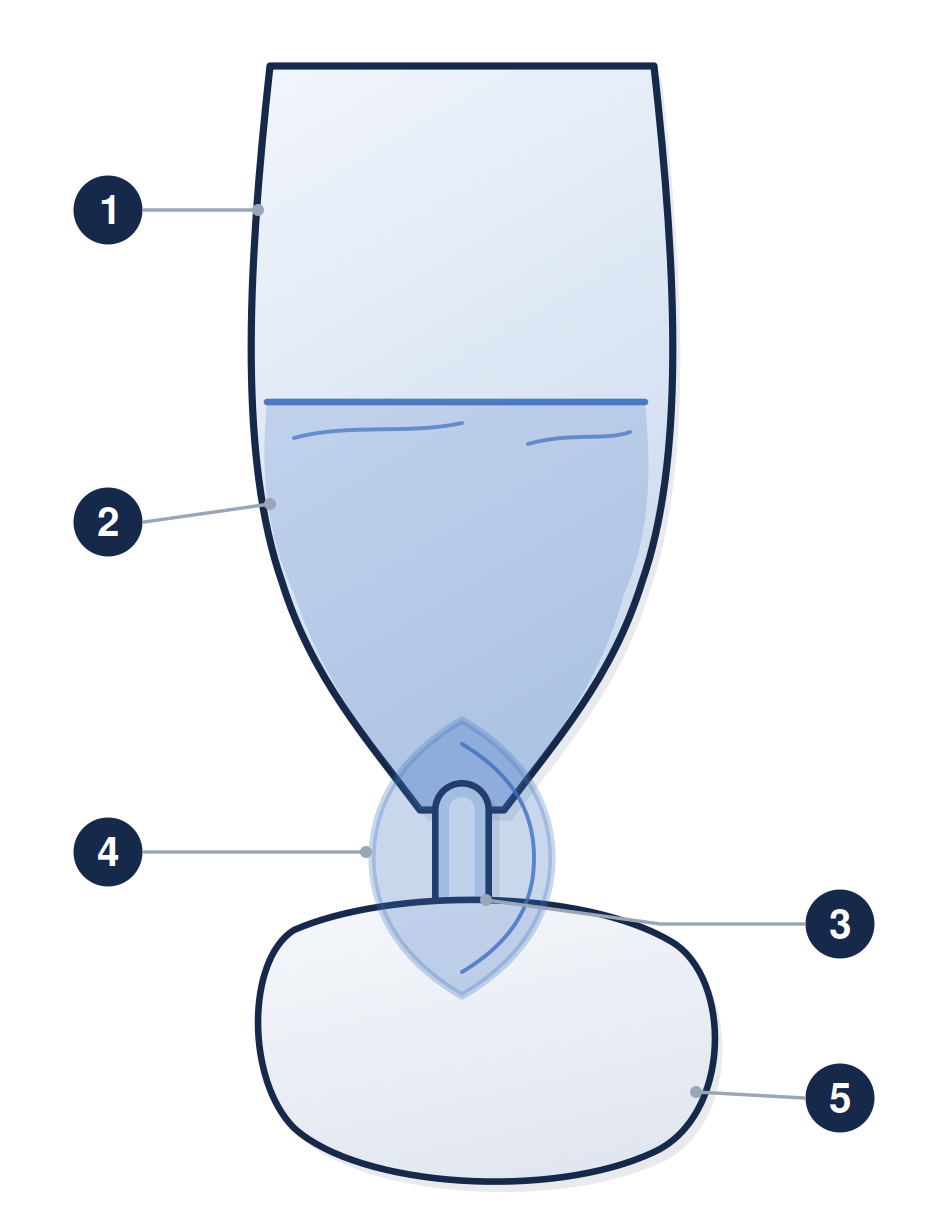
1 the widened gullet · 2 food and fluid held up above the valve · 3 the tight valve · 4 the balloon inflated across it · 5 stomach
Getting ready
Because achalasia makes food and liquid sit in the gullet, you must fast for longer than for a normal endoscopy. Follow the specific instructions on your appointment letter — you may be asked to take only clear fluids for a day beforehand.
Blood thinners: this is a higher-bleeding-risk procedure, so contact the unit at least seven days before. See sheet PE-PROC-16.
You will need a responsible adult to take you home. See sheet PE-PROC-17.
You must be fit for surgery on the day, because a tear in the gullet occasionally needs an operation to repair it.
On the day
The procedure is done with sedation, often with X-ray guidance. The endoscope is passed down and any retained food is cleared. The balloon is positioned across the valve and inflated to a set pressure for a short time, then deflated and removed. The endoscopist looks at the valve afterwards.
You will be observed for at least four hours. A contrast X-ray of the gullet is no longer done routinely for everyone, but it will be arranged straight away if you have any symptom that suggests a tear.
What are the risks?
Complication
How often it happens
Chest pain after the procedure
Common for a day or two, and expected.
Perforation — a tear in the gullet
About 2 to 3 in every 100 — this is the main risk, and it is concentrated in the first session rather than spread evenly over them. Small tears can sometimes be managed with antibiotics, fluids and a stent; larger ones need an operation.
Heartburn afterwards
Around 1 in 10, with higher figures in some studies. Less than after POEM, where up to about 4 in 10 develop it and about half end up on a daily acid tablet.
Bleeding
Uncommon.
Needing the procedure again
Common, and planned for rather than a failure. About 9 in 10 people swallow well at one year. Between a quarter and a third need a repeat stretch within five to seven years; counted as a single course with no repeat, five-year success is only around 4 in 10, but with repeat stretching when it is needed most people are still swallowing well at five and ten years.
Afterwards
You will start with fluids and move to soft food, as instructed. Most people notice swallowing is easier within days.
At your follow-up we will ask you about four things — swallowing, food or liquid coming back up, chest pain, and weight — and combine them into a simple score. It helps us judge whether the treatment is working and whether another stretch is needed.
An acid-suppressing tablet is not given to everyone automatically after balloon stretching; it is started if you develop heartburn or if reflux is demonstrated.
Get urgent help if
You have severe chest pain, back pain or abdominal pain, or pain that keeps getting worse.
You are breathless, or it hurts to breathe.
You have a fever or a racing heartbeat.
You have swelling or a crackling feeling in the skin of your neck.
You cannot swallow your own saliva, or you vomit blood.
A tear in the gullet is an emergency and the sooner it is treated the better the outcome. Go to the Emergency Department immediately, take this sheet, and tell the staff you have had balloon dilatation for achalasia.
PE-PROC-12 · For appointments and questions, contact the endoscopy unit using the numbers it has given you. If you are seriously unwell, or it is outside working hours, go to the Emergency Department rather than waiting for a reply. This sheet supports the discussion with your doctor and the consent process; it does not replace them. Version 1.0 · review date October 2028.
This leaflet is general information and does not replace advice from your own doctor.