PE-PROC-15الإصدار 1.0 · آخر مراجعة أكتوبر 2026 · المراجعة القادمة أكتوبر 2028Version 1.0 · Last reviewed October 2026 · Next review October 2028
الدوالي أوردة متورمة في جدار المريء تنشأ عند ارتفاع الضغط في الجهاز الوريدي للكبد. والربط يضع عليها حلقات مطاطية صغيرة فتضمر وتختفي. توضح هذه النشرة العلاج، والأهم ما ينبغي مراقبته في الأسابيع الثلاثة التالية.
ما هو الإجراء ولماذا تحتاجه
حين يتليّف الكبد يتعذّر مرور الدم فيه بسهولة، فيجد طرقاً أخرى للعودة إلى القلب. وأحد هذه الطرق يمر بأوردة رقيقة في جدار المريء تتورم تحت الضغط. وهذه الأوردة قد تنزف بغزارة، وهذا ما يمنعه الربط.
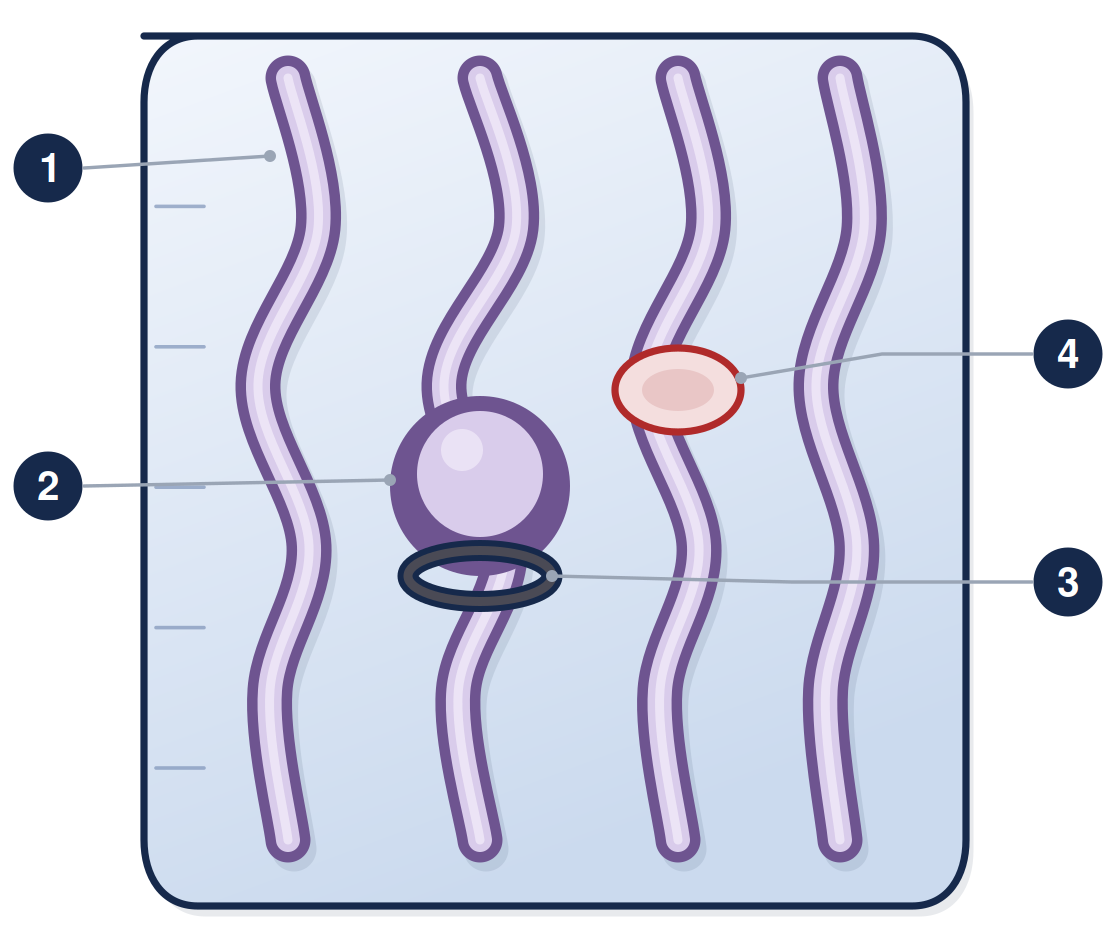
تُوضع حلقة مطاطية صغيرة على كل دوالٍ، فتقطع عنها الدم، فيتخثر الوريد ويضمر، وخلال أسبوع أو أسبوعين تسقط الحلقة والنسيج الميت ويخرجان مع البراز، تاركين قرحة صغيرة تلتئم.
ويُجرى الربط لثلاثة أسباب مختلفة: لإيقاف نزف حادث الآن، ولمنع نزف أول لدى من لديه دوالٍ كبيرة، ولمنع نزف آخر لدى من سبق أن نزف. ولمنع النزف الأول كثيراً ما تُفضَّل أقراص حاصرات بيتا، وعادةً كارفيديلول أو بروبرانولول، وهي الخيار الأفضل لبعض المرضى. أما إن كنت قد نزفت من قبل فالأقراص والحلقات تعملان معاً وتحتاج كليهما.
والربط ليس جلسة واحدة. فالجلسات تتكرر كل بضعة أسابيع حتى تزول كل الدوالي، ويستغرق ذلك جلستين إلى أربع عادةً. ثم يتبعه تنظير تحقّق بعد نحو ثلاثة أشهر من زوال الدوالي، ثم كل ستة أشهر، لأن الدوالي قد تعود.
١ أوردة متورمة في جدار المريء ٢ وريد سُحب داخل الكوب ورُبط من قاعدته ٣ الحلقة المطاطية ٤ قرحة سطحية في موضع حلقة سابقة بعد سقوطها
التحضير
الامتناع عن الطعام ست ساعات قبل الإجراء، والسوائل الصافية حتى ساعتين قبله
تناول حاصر بيتا وبقية أدويتك كالمعتاد ما لم يُطلب منك غير ذلك. وإن كنت تستعمل الأنسولين أو أقراص السكري فاتصل بوحدة المناظير أولاً ليُعدَّل الدواء حول فترة الصيام
مميعات الدم: الربط إجراء أعلى خطورة للنزف، لذلك اتصل بالوحدة قبل الموعد بسبعة أيام على الأقل. انظر النشرة PE-PROC-16
ستحتاج شخصاً بالغاً يوصلك إلى المنزل إذا أخذت مهدئاً. انظر النشرة PE-PROC-17
يوم الإجراء
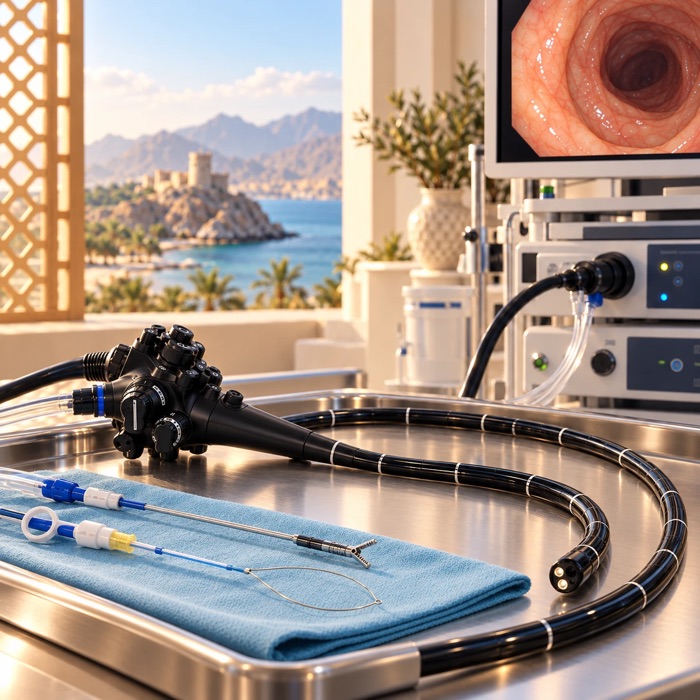
يُجرى الربط أثناء تنظير المعدة ببخاخ الحلق ومهدئ. ويُركَّب على طرف المنظار غطاء شفاف صغير يحمل الحلقات. ويجد المنظّر كل دوالٍ فيشفطها داخل الغطاء ويطلق عليها حلقة. وتُوضع عدة حلقات في الجلسة الواحدة عادةً. ولا يضيف ذلك سوى دقائق قليلة إلى تنظير المعدة المعتاد.
ما هي المخاطر؟
المضاعفة
كم مرة تحدث
انزعاج في الصدر وألم في الحلق وصعوبة أو ألم عند البلع
شائع لبضعة أيام بعد الربط ومتوقع. وتساعد المسكنات البسيطة والطعام اللين
نزف من قرحة موضع الحلقة
وهو المهم، واحتماله يعتمد على سبب إجراء الربط. فبعد جلسة مخططة يكون غير شائع، في حدود واحد من كل مئة. أما بعد ربط أُجري طارئاً لنزف نشط فهو أكثر بكثير، نحو واحد من كل عشرة. ويظهر عادةً بعد نحو عشرة أيام إلى أسبوعين، ونحو ربع هذه النزوف يحدث بعد ذلك، ولهذا يغطي التحذير أدناه ثلاثة أسابيع لا اليوم الأول فحسب
دخول الطعام أو السائل إلى الرئتين أثناء الإجراء
غير شائع، ويكاد ينحصر في الربط الطارئ أثناء نزف نشط، حيث يُؤمَّن مجرى التنفس مسبقاً
دخول بكتيريا إلى مجرى الدم
غير شائع بعد الربط، بضع حالات من كل مئة، وهو غير ضار في الغالب الأعم
تضيّق في المريء نتيجة التئام القرح
نادر
الانثقاب أي تمزق المريء
نادر جداً
وفي مقابل هذه المخاطر يقلل الربط كثيراً احتمال النزف الخطير، ولهذا يُقدَّم. أما أثره في إطالة العمر فيعتمد على الحالة التي يُستخدم فيها؛ ففي الوقاية من النزف الأول تعادله أقراص حاصرات بيتا على الأقل. ولهذا يكون الاختيار بينهما أو الجمع بينهما فردياً لكل مريض.
بعد الإجراء
ابدأ بالسوائل ثم الطعام اللين بقية اليوم، واتبع ما يُنصح به من مدة الاستمرار على الطعام اللين، وهذه ممارسة محلية لدينا لا قاعدة مستندة إلى الأدلة. والانزعاج الخفيف في الصدر وبعض صعوبة البلع لبضعة أيام أمر طبيعي.
وستُعطى عادةً قرصاً خافضاً للحموضة لبضعة أسابيع ليساعد على التئام قرح مواضع الحلقات. وتجنّب المسكنات المضادة للالتهاب مثل الإيبوبروفين والديكلوفيناك، وتجنّب الكحول، ما دامت القرح تلتئم، فالباراسيتامول هو المسكن الأأمن في مرض الكبد. وفي الأسابيع الثلاثة الأولى حاول ألا تبيت وحدك وابقَ قريباً من مستشفى.
أمران أهم من الإجراء نفسه
لا توقف حاصر بيتا دون الرجوع إلى فريق الكبد، حتى بعد انتهاء برنامج الربط وحتى لو كنت في تمام الصحة. فالأقراص والحلقات تؤديان وظيفتين مختلفتين. وإذا شعرت بدوار أو خفة رأس فاتصل بوحدة المناظير لتُعدَّل الجرعة بدل أن توقفها بنفسك.
إذا كان الكحول قد أسهم في مرض كبدك فإن الإقلاع التام عنه من الأمور القليلة التي تخفض فعلاً الضغط في هذه الأوردة وتقلل احتمال نزف آخر. وحتى إن لم يكن الكحول السبب الأصلي فإن الاستمرار في شربه يسرّع تفاقم مرض الكبد، لذلك يُنصح بالإقلاع لكل مصاب بالتليف.
اطلب المساعدة العاجلة إذا
تقيأت دماً أو تقيأت ما يشبه تفل القهوة
خرج منك براز أسود قطراني لزج، أو دم أحمر من فتحة الشرج
شعرت بدوار أو إغماء أو سقطت
تسارع نبضك أو أصابك تشوش ذهني أو نعاس شديد
أصابك ألم شديد في الصدر أو عجزت عن البلع تماماً
توجّه فوراً إلى قسم الطوارئ أو اطلب الإسعاف، ولا تنتظر موعد العيادة. فالخطر أعلى ما يكون في الأسبوعين الأولين، وبمعدل نحو عشرة أيام بعد الإجراء، لكنه لا ينتهي عندهما، فابقَ متيقظاً ثلاثة أسابيع كاملة.
PE-PROC-15 · للمواعيد والاستفسارات، تواصل مع وحدة المناظير عبر الأرقام التي زوّدتك بها. وإذا كانت حالتك شديدة أو كان الوقت خارج أوقات العمل فتوجّه إلى قسم الطوارئ بدلاً من انتظار الرد. تدعم هذه النشرة مناقشتك مع طبيبك وإجراءات الموافقة المستنيرة ولا تحل محلها. الإصدار 1.0 · تاريخ المراجعة أكتوبر 2028.
هذه النشرة معلومات عامة ولا تغني عن مشورة طبيبك المعالج.
زاد صحي، PE-PROC-15
Varices are swollen veins in the wall of the gullet that develop when pressure rises in the vein system of the liver. Banding places small elastic rings on them so they shrink and disappear. This sheet explains the treatment and, importantly, what to watch for in the three weeks afterwards.
What it is, and why you are having it
When the liver becomes scarred, blood cannot pass through it easily, so it finds other routes back to the heart. One route runs through thin veins in the wall of the gullet, which swell under the pressure. These veins can bleed heavily, and that is what banding prevents.
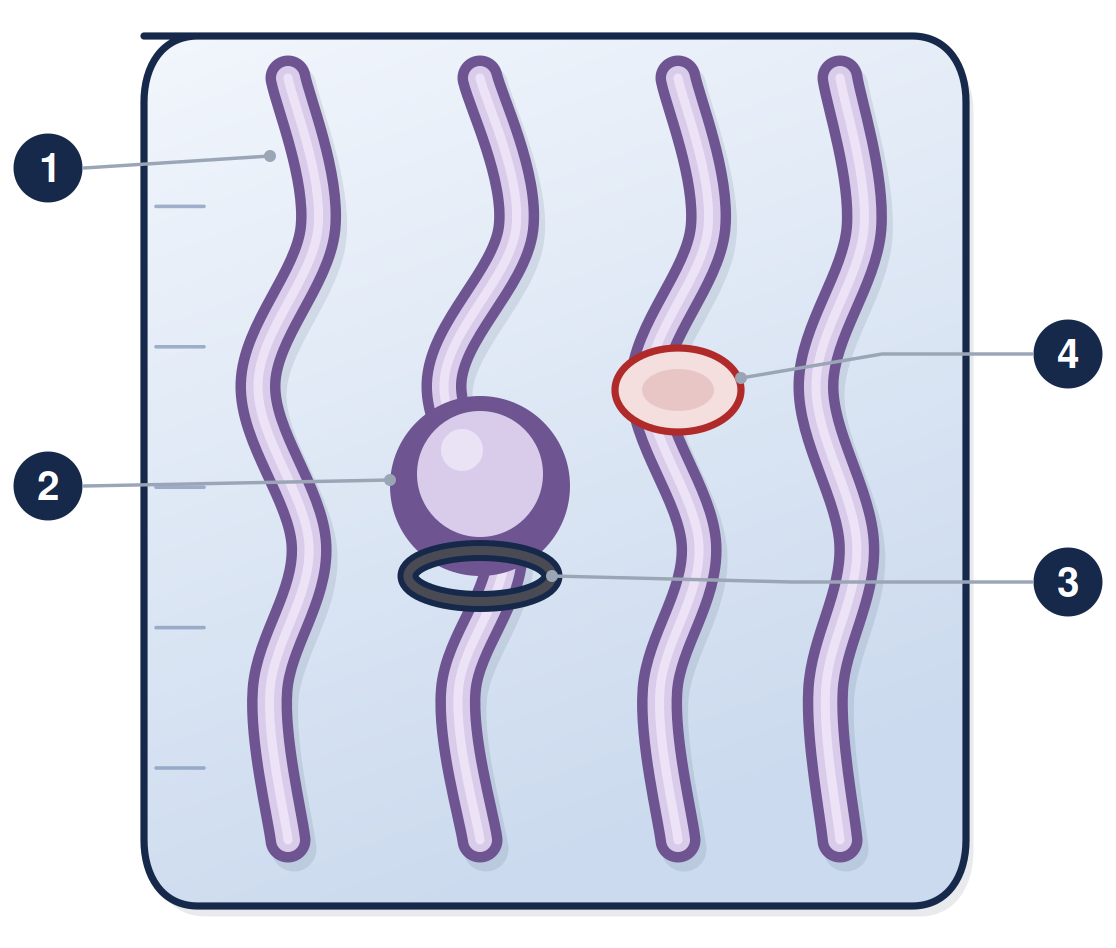
A small elastic band is placed over each varix. The band cuts off its blood supply, the vein clots and shrivels, and over a week or two the band and the dead tissue drop off and are passed in the stool, leaving a small ulcer that heals.
Banding is done for three different reasons: to stop bleeding that is happening now, to prevent a first bleed in someone with large varices, and to prevent further bleeding in someone who has already bled. For preventing a first bleed, tablets called beta blockers — usually carvedilol or propranolol — are often preferred, and for some patients they are the better choice. Where you have already bled, the tablets and the bands work together and you need both.
Banding is not a one-off. Sessions are repeated at intervals of a few weeks until all the varices are gone, which usually takes two to four sessions. A check endoscopy follows about three months after the varices have gone, then every six months, because varices can come back.
1 swollen veins in the wall of the gullet · 2 a vein drawn into the cap and banded at its base · 3 the elastic band · 4 the shallow ulcer left when an earlier band drops off
Getting ready
Nothing to eat for six hours before, and clear fluids only up to two hours before.
Take your beta blocker and your other medicines as usual unless told otherwise. If you take insulin or tablets for diabetes, telephone the endoscopy unit first so the dose can be adjusted around the fast.
Blood thinners: banding is a higher-bleeding-risk procedure, so contact the unit at least seven days before. See sheet PE-PROC-16.
You will need a responsible adult to take you home if you have sedation. See sheet PE-PROC-17.
On the day
Banding is done during a gastroscopy, with throat spray and sedation. A small clear cap carrying the bands is fitted to the tip of the endoscope. The endoscopist finds each varix, sucks it into the cap and releases a band over it. Several bands are usually placed in one session. It adds only a few minutes to a standard gastroscopy.
What are the risks?
Complication
How often it happens
Chest discomfort, a sore throat, and difficulty or pain on swallowing
Common for a few days after banding, and expected. Simple painkillers and soft food help.
Bleeding from an ulcer where a band was placed
The important one, and how likely it is depends on why the banding was done. After a planned session it is uncommon, in the region of 1 in every 100. After banding done as an emergency for active bleeding it is far commoner, around 1 in 10. It usually appears about ten days to two weeks afterwards, and about a quarter of these bleeds happen later than that, which is why the warning below covers three weeks and not just the first day.
Food or fluid going into the lungs during the procedure
Uncommon, and almost entirely confined to banding done as an emergency during active bleeding, when the airway is protected in advance.
Bacteria entering the bloodstream
Uncommon after banding — a few in every 100 — and almost always harmless.
A narrowing of the gullet from healing ulcers
Rare.
Perforation — a tear in the gullet
Very rare.
Set against these risks, banding substantially reduces the chance of a serious bleed, which is why it is offered. Whether it also lengthens life depends on the situation it is used in; for preventing a first bleed, beta blocker tablets do at least as well. This is why the choice between them, or the use of both together, is made for each patient individually.
Afterwards
Take fluids first, then soft food for the rest of the day, and follow the advice you are given about how long to keep to a soft diet — this is our local practice rather than a rule from the evidence. Mild chest discomfort and some difficulty swallowing for a few days are normal.
You will usually be given an acid-suppressing tablet for a few weeks to help the band ulcers heal. Avoid anti-inflammatory painkillers such as ibuprofen and diclofenac, and avoid alcohol, while the ulcers are healing — paracetamol is the safer painkiller in liver disease. For the first three weeks, try not to be alone overnight and stay within reach of a hospital.
Two things that matter more than the procedure itself
Do not stop your beta blocker without speaking to your liver team, even when the banding programme is finished and even if you feel completely well. The tablets and the bands do different jobs. If you feel faint or lightheaded, contact the endoscopy unit so the dose can be adjusted rather than stopping it yourself.
If alcohol has contributed to your liver disease, stopping completely is one of the few things that genuinely lowers the pressure in these veins and reduces the chance of further bleeding. Even where alcohol was not the original cause, continuing to drink makes liver disease progress faster, so stopping is advised for everyone with cirrhosis.
Get urgent help if
You vomit blood, or vomit something that looks like coffee grounds.
You pass black, tarry, sticky stools, or fresh blood from the back passage.
You feel faint, dizzy, or you collapse.
You have a racing heartbeat, or you become confused or very drowsy.
You have severe chest pain, or you cannot swallow at all.
Go straight to the Emergency Department or call an ambulance — do not wait for a clinic appointment. The risk is highest in the first two weeks, on average about ten days after the procedure, but it does not end there — stay alert for a full three weeks.
PE-PROC-15 · For appointments and questions, contact the endoscopy unit using the numbers it has given you. If you are seriously unwell, or it is outside working hours, go to the Emergency Department rather than waiting for a reply. This sheet supports the discussion with your doctor and the consent process; it does not replace them. Version 1.0 · review date October 2028.
This leaflet is general information and does not replace advice from your own doctor.