Information for people with inflammatory bowel disease
PE-IBD-02الإصدار 1.0 · آخر مراجعة أكتوبر 2026 · المراجعة القادمة أكتوبر 2028Version 1.0 · Last reviewed October 2026 · Next review October 2028
توضّح هذه النشرة ما هو التهاب القولون التقرحي، وكيف نتابعه، وكيف يُعالَج، ومتى ينبغي أن تتصل بنا. يُرجى إحضارها معك إلى مواعيد العيادة.
ما هو التهاب القولون التقرحي
التهاب القولون التقرحي حالة مزمنة يهاجم فيها الجهاز المناعي بطانة الأمعاء الغليظة فيسبب التهاباً وتقرحات. وخلافاً لداء كرون فإنه يصيب الأمعاء الغليظة فقط، ويقتصر على الطبقة الداخلية من جدار الأمعاء، ويكون متصلاً غير متقطع: يبدأ من المستقيم ويمتد إلى أعلى مسافة متفاوتة دون مناطق سليمة بينها.
التهاب القولون التقرحي ليس نتيجة شيء فعلته أو تناولته، وهو غير معدٍ. ويُعتقد أنه ينشأ من تفاعل بين العوامل الوراثية وبكتيريا الأمعاء وعوامل بيئية. لا تشفيه الأدوية شفاءً نهائياً لكن يمكن السيطرة عليه جيداً لدى معظم المرضى، ويتوقع للمصابين به عمر طبيعي.
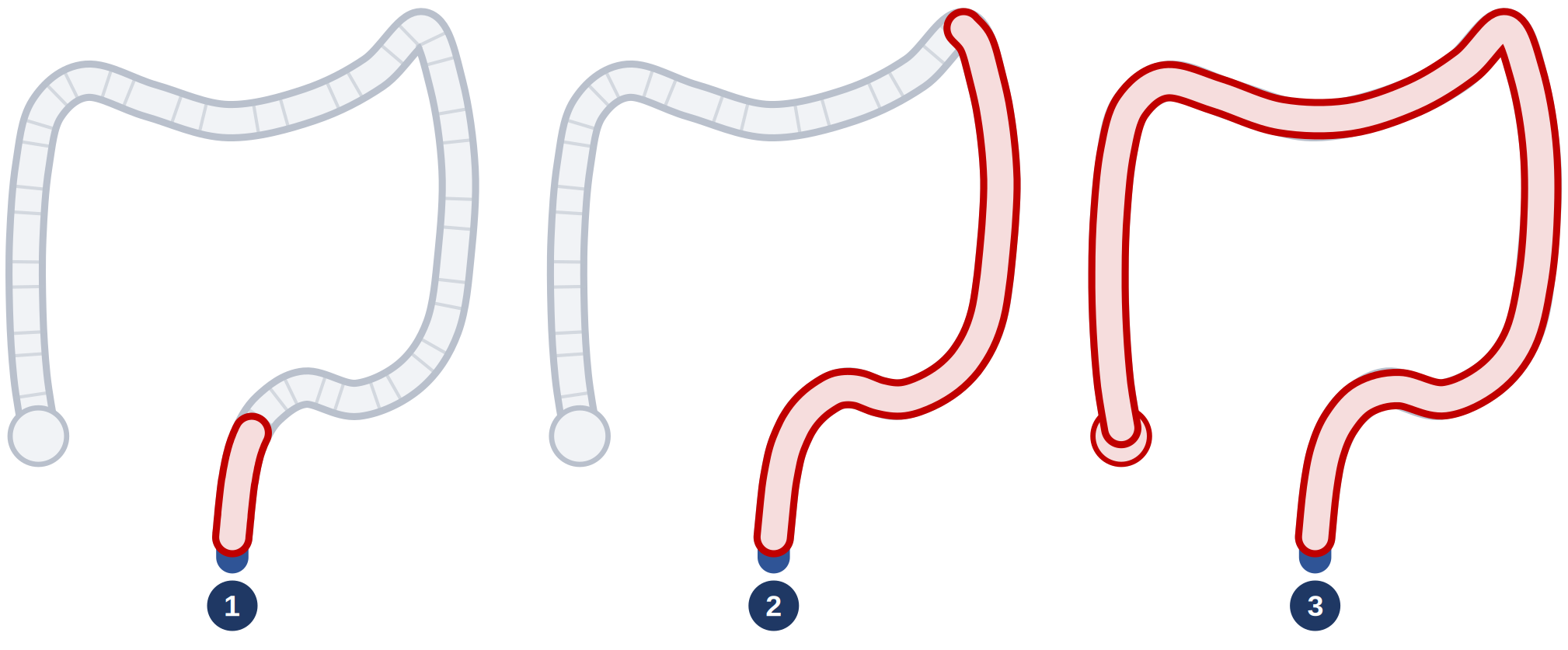
مدى امتداد الالتهاب: 1 التهاب المستقيم وحده 2 التهاب الجانب الأيسر حتى الانثناء الطحالي 3 التهاب واسع يتجاوز الانثناء الطحالي وقد يشمل القولون كله
الأعراض
إسهال مصحوب بدم أو مخاط، والحاجة العاجلة لدخول الحمام
زيادة عدد مرات التبرز، بما في ذلك أثناء الليل
ألم تشنجي غالباً في الجهة السفلية اليسرى، وإحساس بعدم اكتمال الإخراج
تعب ونقص وزن وفقر دم. وفي التهاب المستقيم قد يحدث إمساك أيضاً
أعراض خارج الأمعاء تشمل المفاصل والعينين والجلد والكبد والدم، ويصاب نحو ربع المرضى بواحدة على الأقل من مشاكل المفاصل أو الجلد أو العينين
الفحوصات
يؤكد تنظير القولون أو التنظير السيني المرن مع أخذ خزعات التشخيص، ويبيّن مدى امتداد الالتهاب وشدته، ويستبعد العدوى. وبين جلسات التنظير نتابعك بتحاليل الدم وتحليل الكالبروتكتين في البراز الذي يقيس الالتهاب في الأمعاء مباشرة، وتفاصيله في النشرة PE-IBD-03. ويمكن استخدام تصوير الأمعاء بالموجات فوق الصوتية في العيادة أيضاً. ونرسل عينة براز لاستبعاد العدوى مع كل نوبة نشاط، لأن التهابات الأمعاء المعدية قد تشبه نوبة النشاط تماماً.
العلاج
يعتمد العلاج على مدى امتداد الالتهاب وشدته. والميسالازين وأدوية 5-ASA الأخرى هي أساس علاج المرض الخفيف إلى المتوسط، وتعمل على إخماد النوبة وعلى الحفاظ على الهدأة معاً. ويُستخدم التحميل الشرجي للمرض المحصور في المستقيم، والحقنة الشرجية أو الرغوة للمرض في الجانب الأيسر، وغالباً مع أقراص الميسالازين، لأن العلاج الموضعي داخل المستقيم أنجع من الأقراص وحدها. وتُضاف الستيرويدات للنوبات التي لا تستجيب. وإذا تكررت النوبات أو تعذّر التوقف عن الستيرويدات نستخدم الآزاثيوبرين أو دواءً بيولوجياً أو متقدماً مثل إنفليكسيماب أو أداليموماب أو فيدوليزوماب أو أوستيكينوماب أو ريزانكيزوماب أو غوسيلكوماب أو أحد مثبطات JAK، ولكل منها نشرة خاصة.
أما التهاب القولون الشديد، أي أكثر من ست مرات تبرز دموي يومياً مع حرارة تتجاوز 37.8 درجة مئوية أو نبض يتجاوز 90 أو فقر دم أو ارتفاع في بروتين سي التفاعلي، فيستوجب الدخول إلى المستشفى لتلقي الستيرويدات وريدياً، لا موعداً في العيادة. وإذا لم يتحسن المرض بما يكفي خلال نحو ثلاثة أيام ننتقل سريعاً إلى العلاج الإنقاذي أو الجراحة.
هدف العلاج ألا يزيد عدد مرات التبرز على ثلاث يومياً دون نزف، وألا يظهر التهاب في تنظير القولون. ولا يكفي تحسّن الشعور وحده، لأن الأعراض والالتهاب لا يتوافقان دائماً.
الجراحة
يحتاج نحو سبعة من كل مئة مريض إلى جراحة لاستئصال القولون خلال السنوات الخمس الأولى بعد التشخيص، ونحو عشرة من كل مئة خلال عشر سنوات. وقد يُستأصل القولون مع عمل فتحة دائمة أو مؤقتة للأمعاء على البطن، أو يُصنع لاحقاً جيب داخلي من الأمعاء الدقيقة يُوصل بالشرج. واستئصال القولون والمستقيم يشفي المرض ويزيل خطر سرطان القولون. ويصاب نحو نصف أصحاب الجيب الداخلي بالتهاب فيه في مرحلة ما، ويُعالَج عادةً بالمضادات الحيوية. وإذا كنتِ امرأة تفكرين في جراحة الجيب وترغبين في الإنجاب فناقشي ذلك معنا أولاً، لأن العملية قد تؤثر في الخصوبة.
التدخين
التهاب القولون التقرحي أكثر شيوعاً لدى من لم يدخنوا قط أو أقلعوا حديثاً، وقد يصاب بعض الناس بنوبة نشاط بعد الإقلاع. هذه ملاحظة حقيقية لكنها ليست سبباً للتدخين، إذ ليس واضحاً أثر التدخين بعد الإصابة بالمرض، وأضرار التدخين تفوق بكثير أي فائدة محتملة. وتنصح الإرشادات الطبية المصابين بالتهاب القولون التقرحي بعدم التدخين.
سرطان القولون والمتابعة بالتنظير
يرفع التهاب القولون التقرحي خطر سرطان القولون، لكن بدرجة أقل بكثير مما كانت تشير إليه الأرقام القديمة، وقد تراجعت هذه الزيادة تراجعاً ملحوظاً. ففي داء الأمعاء الالتهابي المصيب للقولون عموماً يصاب نحو واحد من كل مئة مريض بسرطان القولون عند عشر سنوات من بداية الأعراض، ونحو اثنين من كل مئة عند عشرين سنة، ونحو خمسة من كل مئة بعد ذلك. والسيطرة على الالتهاب تقلل هذا الخطر. ونوفر تنظير قولون دورياً للكشف المبكر يبدأ بعد ثماني سنوات من بداية الأعراض، أو من وقت التشخيص إذا كنت مصاباً أيضاً بالتهاب الأقنية الصفراوية المصلب الأولي، وتُحدَّد الفترة بين الجلسات حسب درجة الخطورة لديك. أما المرض المحصور في المستقيم فلا يحتاج إلى هذه المتابعة.
متى تتصل بنا
العَرَض
ما ينبغي عمله
دم أو مخاط في البراز لأكثر من ثلاثة أيام، أو زيادة واضحة في عدد مرات التبرز
تواصل مع عيادة داء الأمعاء الالتهابي
استيقاظ ليلاً للتبرز، أو ألم بطني جديد
تواصل مع عيادة داء الأمعاء الالتهابي
أكثر من ست مرات تبرز دموي يومياً، أو حرارة مع تسارع النبض
في اليوم نفسه: قد تكون نوبة شديدة تستوجب الدخول للمستشفى
حرارة أعلى من 38 درجة مئوية أثناء تناول دواء يؤثر على المناعة
في اليوم نفسه: اتصل بطبيبك أو راجع قسم الطوارئ
نزيف غزير من فتحة الشرج لا يتوقف
قسم الطوارئ
ألم بطني شديد مع انتفاخ البطن وإيلامه
قسم الطوارئ
قد نرفع جرعة الميسالازين أثناء نوبة النشاط بناءً على نصيحتنا. لا تزد أدويتك الأخرى ولا توقفها، مثل الآزاثيوبرين أو الدواء البيولوجي، قبل الرجوع إلينا.
كيف تتواصل مع طبيبك
تواصل مع طبيبك خلال أوقات العمل عبر الأرقام التي زوّدتك بها العيادة لأي أمر غير طارئ: تفاعل مع دواء، أو تغيّر في الأعراض، أو استفسار عن علاجك، أو تجديد وصفة. وأبلغ طبيبك عن أي تفاعل دوائي، فهذا ما يتيح له تقديم موعدك. أما تحاليل الدم الدورية فيمكن إجراؤها ومراجعة نتائجها في المركز الصحي القريب منك، ولا داعي لانتظارنا. وإذا كانت حالتك شديدة فتوجّه إلى قسم الطوارئ بدلاً من انتظار الرد.
التعايش مع المرض
لا يوجد دليل واضح على أن طعاماً بعينه يسبب الالتهاب أو يشفيه أو يعالجه. احرص على غذاء متوازن وسوائل كافية، واطلب مقابلة أخصائي التغذية إذا كنت تفقد وزنك أو تتجنب أصنافاً كثيرة. ومسكنات الألم المضادة للالتهاب مثل الإيبوبروفين والديكلوفيناك قد تثير نوبة نشاط، فاستخدم الباراسيتامول بدلاً منها ما لم ننصحك بغير ذلك. وأخبر طبيبك إن كان المرض يؤثر في مزاجك أو نومك، فالمساعدة متاحة. وإذا كنتِ تخططين للحمل فأبلغي طبيبك قبل حدوثه، إذ نهدف إلى استقرار المرض ثلاثة إلى ستة أشهر أولاً، ومعظم الأدوية تُستكمل خلال الحمل والرضاعة. أما إرشادات التطعيم فترد في النشرة PE-IBD-04.
تواصل مع طبيبك عبر الأرقام التي زوّدتك بها العيادة. وإذا كانت حالتك شديدة أو كان الوقت خارج أوقات العمل فتوجّه إلى قسم الطوارئ بدلاً من انتظار الرد. هذه النشرة معلومات عامة ولا تغني عن مشورة طبيبك. الإصدار 1.0 · تاريخ المراجعة أكتوبر 2028.
هذه النشرة معلومات عامة ولا تغني عن مشورة طبيبك المعالج.
زاد صحي، PE-IBD-02
This sheet explains what ulcerative colitis is, how it is monitored, how it is treated, and when to contact your doctor. Please bring it with you to your clinic appointments.
What ulcerative colitis is
Ulcerative colitis is a long-term condition in which the immune system attacks the lining of the large bowel and causes inflammation and ulcers. Unlike Crohn’s disease it affects only the large bowel, only the inner lining of the bowel wall, and it is continuous — it starts at the rectum and extends upwards for a variable distance without healthy patches in between.
Ulcerative colitis is not caused by anything you did or ate, and it is not infectious. A mix of inherited genes, the bacteria in the gut and environmental factors is thought to cause it. It cannot be cured with medicine, but for most people it can be well controlled, and people with colitis can generally expect to live a long life.
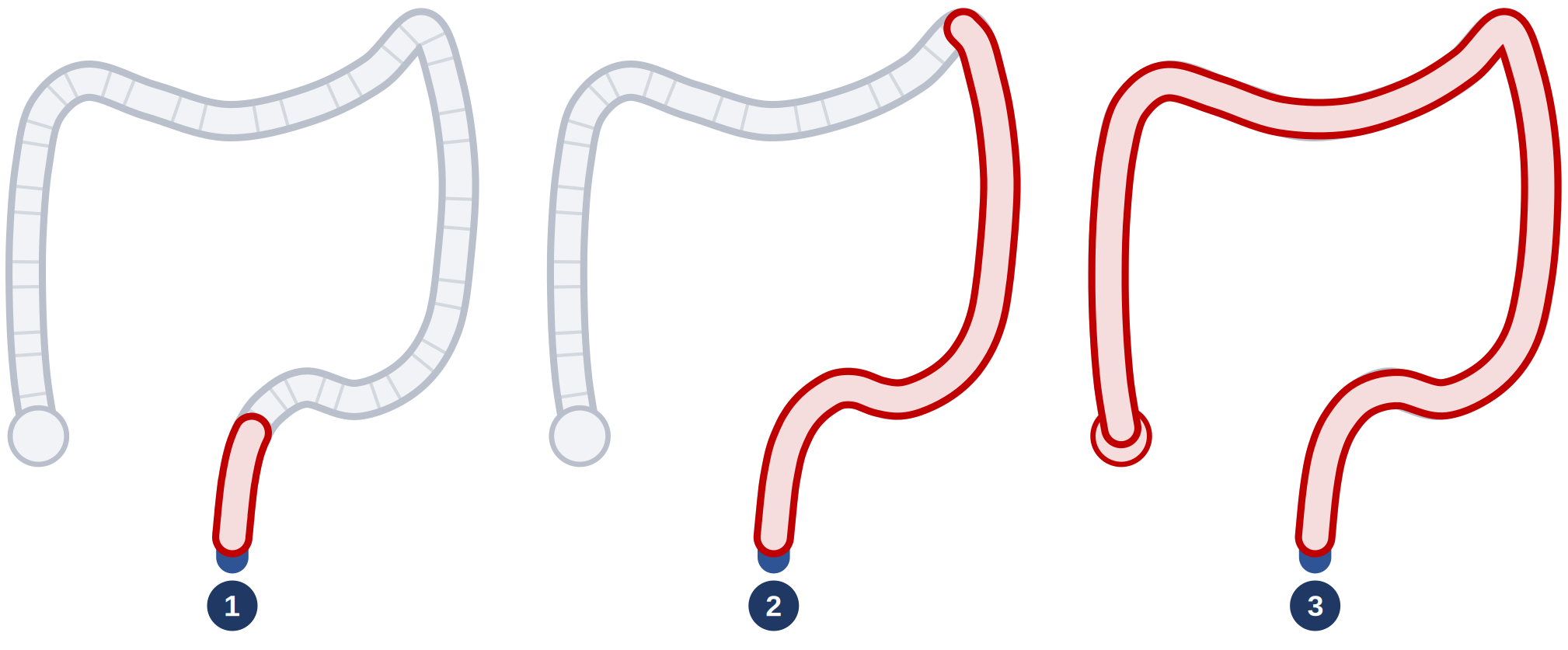
How far the inflammation extends: 1 Proctitis — the rectum only 2 Left-sided colitis — up to the splenic flexure 3 Extensive colitis — beyond the splenic flexure, up to the whole colon
Symptoms
Diarrhoea with blood or mucus, and needing to rush to the toilet
Opening the bowels more often, including at night
Cramping pain, often in the lower left side, and a feeling of incomplete emptying
Tiredness, weight loss and anaemia. With proctitis, constipation is also common.
Problems outside the gut — joints, eyes, skin, liver and blood. About one in four people with colitis develop at least one joint, skin or eye problem of this kind.
Tests we use
Colonoscopy or flexible sigmoidoscopy with biopsies confirms the diagnosis, shows how far the inflammation extends and how severe it is, and excludes infection. Between endoscopies we follow you with blood tests and a stool test for faecal calprotectin, which measures inflammation in the bowel directly — see sheet PE-IBD-03. Intestinal ultrasound can also be used in clinic. A stool sample to exclude infection is sent whenever symptoms flare, because gut infections can look exactly like a flare.
Treatment
Treatment depends on how far the inflammation extends and how severe it is. Mesalazine and the other 5-ASA medicines are the mainstay for mild to moderate disease, and they work both to settle a flare and to keep it settled. For disease in the rectum a suppository is used, and for left-sided disease an enema or foam, usually together with mesalazine tablets — treatment given directly into the rectum works better than tablets alone. Steroids are added for flares that do not settle. If flares keep returning, or you cannot come off steroids, we use azathioprine or a biologic or advanced medicine such as infliximab, adalimumab, vedolizumab, ustekinumab, risankizumab, guselkumab or a JAK inhibitor. Each of these has its own information sheet.
Severe colitis — more than six bloody stools a day together with a temperature above 37.8°C, a pulse over 90, anaemia or a high CRP — needs admission to hospital for intravenous steroids, not an outpatient appointment. If there is not enough improvement within about three days we move quickly to rescue treatment or surgery.
The aim of treatment is that you have no more than three stools a day with no bleeding, and no inflammation visible at colonoscopy. Feeling better is not by itself enough, because symptoms and inflammation do not always match.
Surgery
Around seven in every hundred people with colitis need surgery to remove the colon in the first five years after diagnosis, and about ten in a hundred within ten years. The colon may be removed with a permanent or temporary stoma, or an internal pouch (an ileo-anal pouch) may be formed later from the small bowel and joined to the anus. Removing the colon and rectum cures the colitis and removes the risk of bowel cancer. About half of people with a pouch get inflammation in it (pouchitis) at some point, which is usually treated with antibiotics. If you are a woman considering pouch surgery and may want children, discuss this with us first, as the operation can affect fertility.
Smoking
Ulcerative colitis is more common in people who have never smoked or who have recently stopped, and some people have a flare after stopping. This is a real finding, but it is not a reason to smoke: it is not clear what smoking does once you already have colitis, and the harms of smoking far outweigh any possible benefit. Guidelines advise people with ulcerative colitis not to smoke.
Bowel cancer and surveillance
Ulcerative colitis raises the risk of bowel cancer, but much less than older figures suggested, and the excess risk has fallen considerably. Across inflammatory bowel disease affecting the colon, roughly one in a hundred people develop bowel cancer by ten years after symptoms started, about two in a hundred by twenty years, and about five in a hundred beyond that. Keeping the inflammation controlled lowers this risk. We offer surveillance colonoscopy from eight years after your symptoms began — from the time of diagnosis if you also have primary sclerosing cholangitis — at an interval based on your own risk. Colitis limited to the rectum does not need surveillance.
When to contact your doctor
Symptom
What to do
Blood or mucus in the stool for more than three days, or a clear increase in stool frequency
Contact the IBD clinic
Waking at night to open your bowels, or new abdominal pain
Contact the IBD clinic
More than six bloody stools a day, or fever with a fast pulse
Same day — this may be a severe flare needing admission
Fever above 38°C while on medicine that affects the immune system
Same day — contact your doctor or attend the Emergency Department
Heavy bleeding from the back passage that does not stop
Emergency Department
Severe abdominal pain with a swollen, tender abdomen
Emergency Department
During a flare your mesalazine dose may be increased on our advice. Do not increase or stop your other medicines, such as azathioprine or a biologic, without speaking to us first.
How to contact your doctor
Contact your doctor during working hours, using the numbers your clinic has given you, for anything that is not an emergency — a reaction to a medicine, symptoms that are changing, a question about your treatment, or a repeat prescription. Tell your doctor about any reaction to a medicine: that is what lets your doctor bring your appointment forward. Routine blood tests can be done and reviewed at your local health centre — you do not need to wait for us for that. If you are seriously unwell, go to the Emergency Department rather than waiting for a reply.
Living with ulcerative colitis
There is no clear evidence that any particular food causes, cures or treats the inflammation in colitis; aim for a balanced diet and adequate fluids, and ask to see the dietitian if you are losing weight or avoiding many foods. Anti-inflammatory painkillers such as ibuprofen and diclofenac can trigger a flare — use paracetamol instead unless we have advised otherwise. Tell your doctor if the condition is affecting your mood or sleep, as help is available. If you are planning a pregnancy, tell your doctor before you conceive; we aim for the disease to be settled for three to six months first, and most colitis medicines are continued through pregnancy and breastfeeding. Vaccination advice is in sheet PE-IBD-04.
Contact your doctor using the numbers your clinic has given you. If you are seriously unwell, or it is outside working hours, go to the Emergency Department rather than waiting for a reply. This sheet is general information and does not replace the advice of your own doctor. Version 1.0 · review date October 2028.
This leaflet is general information and does not replace advice from your own doctor.